Why Is Early Childhood Education Important?
What Does Early Childhood Education Mean?
Early childhood development, or ECD, refers to the beginning of child’s a development phase. Children from the ages 0 to 6 years old are often enrolled into a nursery school or
Pre-school where they are taught vital developmental skills.
According to UNESCO (United Nations Educational, Scientific and Cultural Organization) “Early childhood care and education (ECCE) is more than preparation for primary school. It aims at the holistic development of a child’s social, emotional, cognitive and physical needs in order to build a solid and broad foundation for lifelong learning and wellbeing. ECCE has the possibility to nurture caring, capable and responsible future citizens.”
The benefits of quality early childhood development extend beyond basic skills. Children can develop their creativity and social skills through social and emotional development activities, creative play and active learning.
Why is social development an important part of early education?
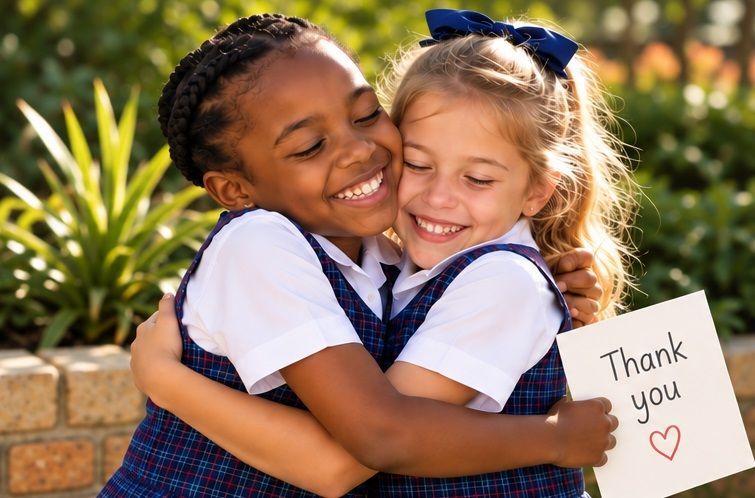
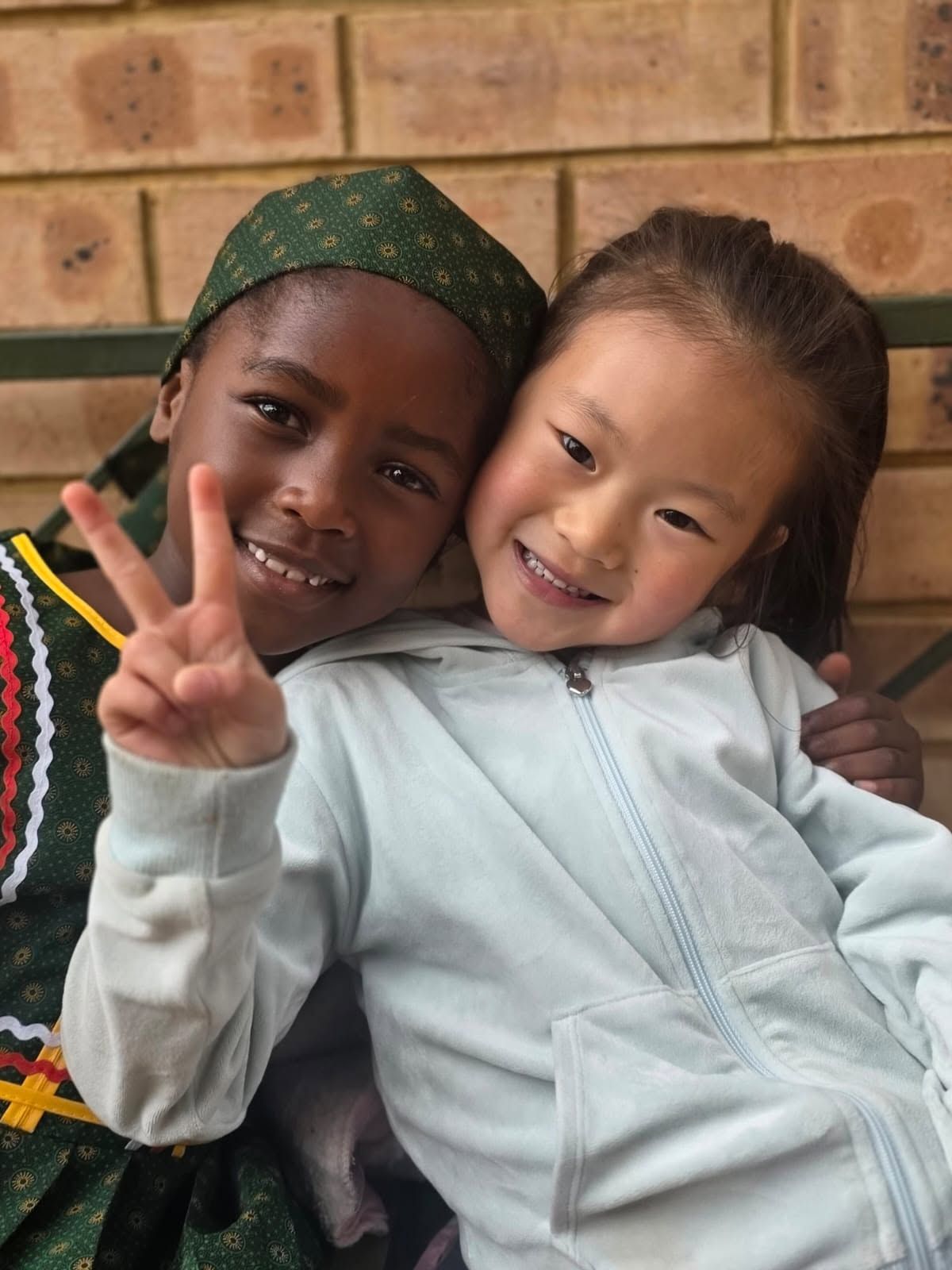
Being able to socialize and interact with other people are skills that needs to be learnt. In preschool, children learn that there are other people around them and they learn how to be kind and caring towards others.
Children learn about sharing and taking turns too. They learn from others as they play together in their learning environment and at home. When socializing happens at this stage, it provides a foundation for the rest of a child’s life as they will need to know how to interact with other people in a positive manner. The social and emotional development of a child work hand in hand.
What is emotional development in early childhood?
When a child is young, they are emotionally immature. Children need to be taught about different feelings and how to express them in an appropriate manner. They need to learn how to express and communicate their feelings to others which is learnt over time with the guidance of their teachers.
“Social and emotional development in the early years, also referred to as early childhood mental health, refers to children’s emerging capacity to; experience, regulate and express a range of emotions, develop close, satisfying relationships with other children and adults, actively explore their environment and learn”. One way, children can develop these relationships is through play. Playing is an important part of a child’s social development.
How is play important for child development?
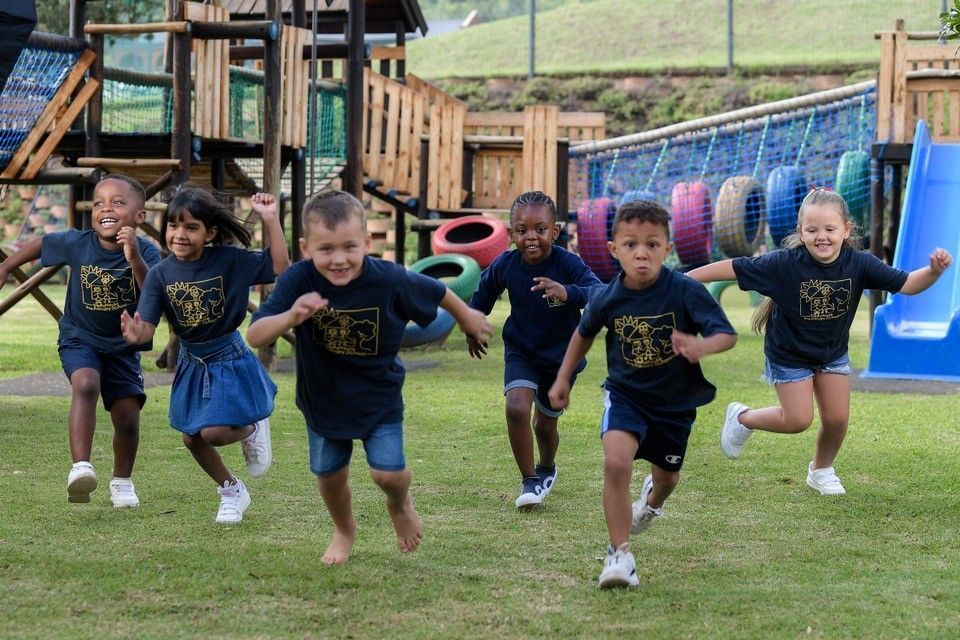
Children learn through play and a preschool environment is set up to allow children to think they are just playing but they are actually learning as they play. Various areas are set up such as outdoor activities (sensory tray, sandpit play, bicycles on the bike track, jungle gyms and balance beams), fantasy corner, construction toys area, art area, reading corner and a perceptual games area. These activities develop a variety of skills and in turn develop the whole child.
What is social play in early childhood?
There are different stages of play. Solitary play is when a child plays by themselves and seems to be unaware of other children around them. Parallel play is when children play next to each other but don’t interact or play together.
Cooperative play is when children play together, they talk to each other and decide on what to play together. Furthermore, various play types can help a child develop their creativity.
How to develop creativity in early childhood?
Creativity is a very important skill for children to develop as it helps a child to think and solve problems independently. Providing a child with many different opportunities to develop this skill is important as it takes time for this to develop.
Creativity can be developed through creative play activities such as, art, drama and music. These activities provide opportunities for children to be creative and express themselves. Different kinds of media, such as painting, drawing, collage and box construction, are used as these provide a child with the opportunity to put their ideas onto paper.
Other forms of creative play include answering questions after listening to a story, problem solving, and construction play with toys, using Inquiry based learning which is focused on the child being active in their learning.
What is active learning in early childhood?
Children learn best when they are active in their learning. They need to experience everything with their 5 senses and learn through moving their body. Children cannot sit at a table all day, they to active and explore different activities indoors and outdoors so that they can develop different skills.
In addition, active learning can attribute to a child’s emotional and social development by teaching children to express their feelings through words, listening and paying attention and showing affection towards other. Moreover, active learning can help reduce challenging behaviours in many children.
What are challenging behaviours in early childhood?
Children battle to express their emotions at a young age. Many kids often have temper tantrums when they cannot get their way or they fight with their friends. Children’s attention spans are short, therefore, it can be challenging to keep a child focused for a long period of time. One way parents and caregivers can manage challenging behaviours in children is by reinforcing routine.
Routine helps a child to feel secure, it is a big part of preschool. When there are changes in their routine, the teacher will help children prepare for it which helps them to deal with the change, in a safe environment.
Routines are important in early childhood for many more reasons such as:
- “Helping with behaviour management because they help children learn what’s expected of them,
- Routines also help you plan for times when children might behave in challenging ways,
- Talking about routines with children can help them understand and follow your family’s rules.”
At Trinityhouse, we believe in the development and growth of children from a young age. We facilitate this growth through our holistic early childhood education programme at our Pre-Primary schools. For more information on who we are, you can find out more here.
From 2022, our Trinityhouse Pre-Primary Fees will be fully inclusive!
Enquire or
Apply.
Early childhood care and education
Why Is Early Childhood Education Important?
Routines: behaviour management strategy
Social and Emotional Development in Early Learning Settings