Thankful Hearts, Helping Hands: Raising a Generation that Gives Back
World Gratitude Day offers schools and families an opportunity to explore how thankfulness can inspire young people to embrace kindness, serve others and contribute meaningfully to their communities.
Gratitude is often associated with two simple words: “thank you”. Yet genuine gratitude reaches far beyond good manners. It is a mindset that acknowledges the value of others and inspires people to respond through kindness, generosity and service.
World Gratitude Day, observed on 21 September, encourages schools and families to consider whether young people are merely being taught to express appreciation or are learning to live it.
“Gratitude is much deeper than teaching students to say ‘please’ and ‘thank you’. Good manners are important, but genuine gratitude inspires humility, generosity and a willingness to serve,” says Farone Eckstein, Principal of Trinityhouse High School Randpark Ridge.
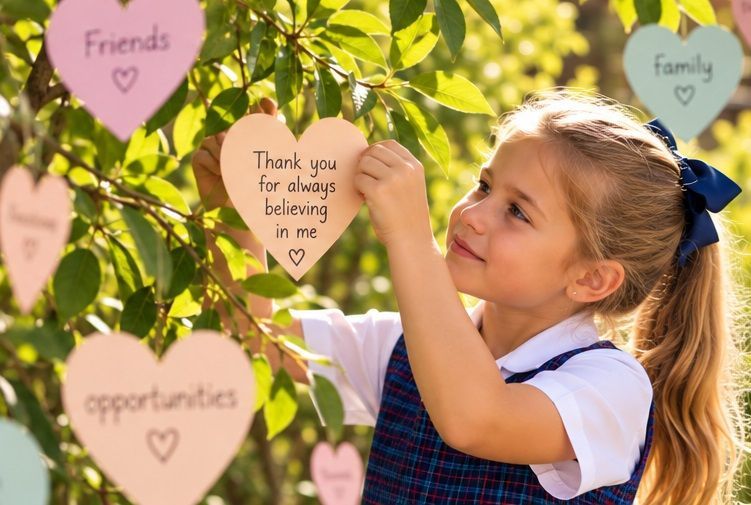
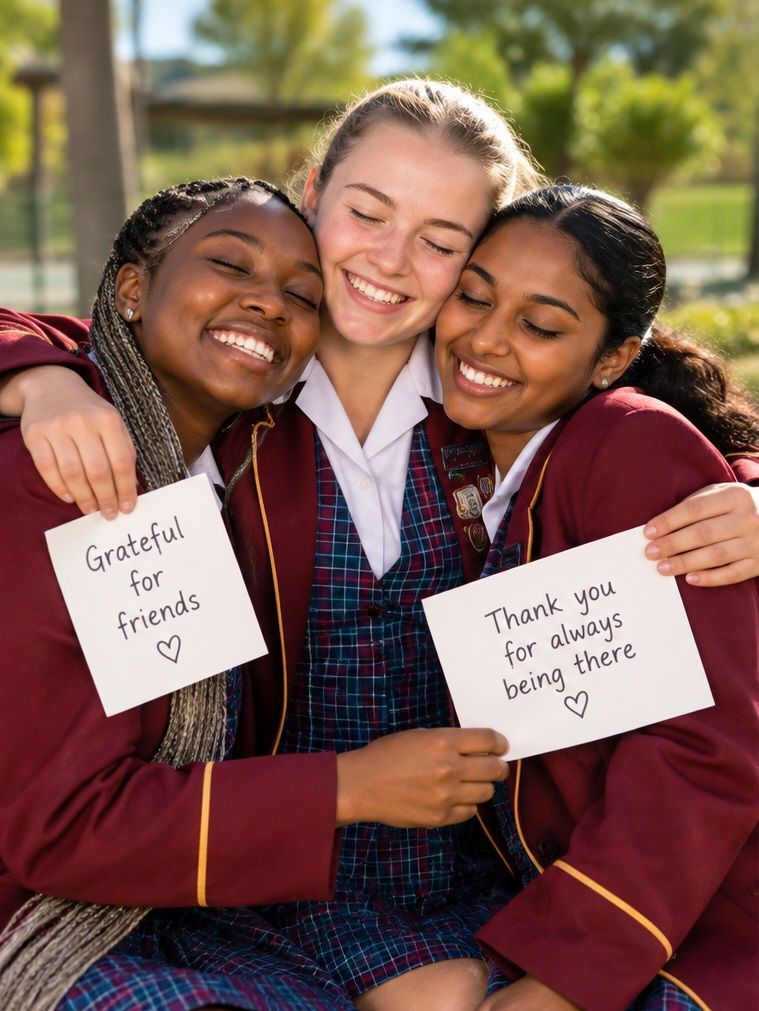
Children can begin developing gratitude during their earliest years by recognising simple blessings such as family, friendships, safety and everyday acts of kindness. Their understanding should deepen as they mature.
“Younger children can be encouraged to notice the good things around them, while older students should reflect more deeply on privilege, responsibility, resilience and the impact they can have on others,” explains Eckstein.
Daily school life presents countless opportunities to practise thankfulness. Assemblies, student-led gatherings, classroom discussions and moments of reflection can encourage students to appreciate their opportunities and acknowledge those who contribute to their growth.
Servant leadership is another important part of this journey. During the Grade 8 induction at Trinityhouse Randpark Ridge, deputy prefects wash the feet of two Grade 8 students. This meaningful ceremony sets the tone for leadership grounded in humility, care and service rather than status.
Gratitude becomes particularly powerful when appreciation is transformed into action. Students need practical opportunities to participate in outreach initiatives, charitable drives, community partnerships and service projects.
“Service helps students understand that opportunities and resources carry responsibility. Generosity is not measured only by the size of a gift, but by a person’s willingness to give their time, share their abilities and support others,” says Eckstein.
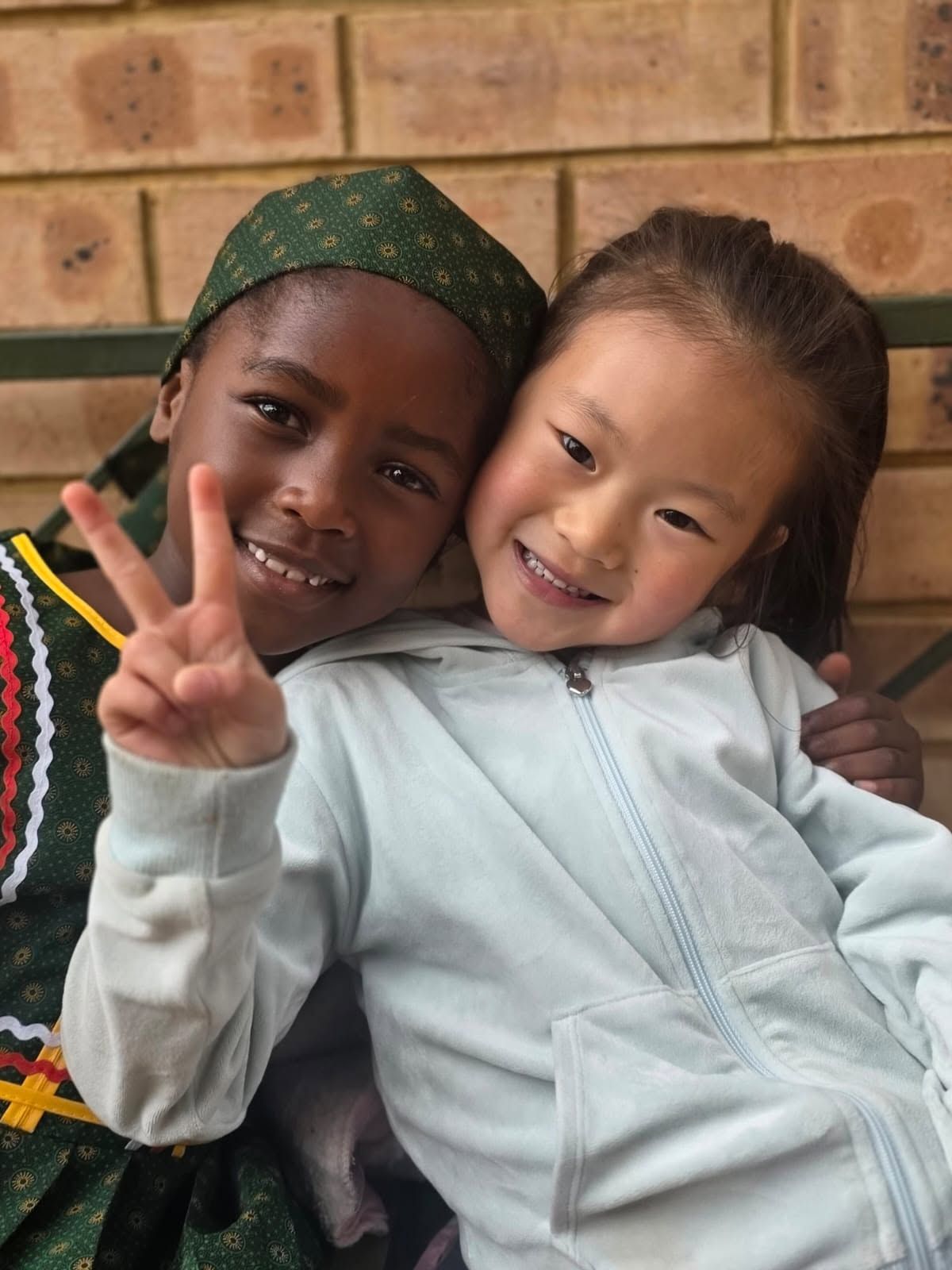
Trinityhouse Randpark Ridge’s relationship with Kingsway School of Concern has formed a meaningful part of the school’s history for almost 30 years. Kingsway students visit the campus and participate in co-curricular activities presented by Trinityhouse students, creating opportunities to build relationships based on dignity and mutual respect.
Student-led initiatives can also produce remarkable results. The school’s Grade 8 Thandanani Project recently raised R230,000, breaking its previous fundraising record. Students created and sold products despite a difficult economic climate, enabling the Thandanani House of Refuge to receive double the amount it had anticipated.
“The achievement matters not only because of the money raised, but also because of what the students learnt,” notes Eckstein. “They experienced commitment, teamwork, creativity and perseverance while discovering their ability to make a meaningful difference.”
Regular engagement with communities facing difficult circumstances can challenge entitlement and broaden students’ perspectives. Cultural, social and economic differences can gradually become opportunities for greater understanding, empathy and shared humanity.
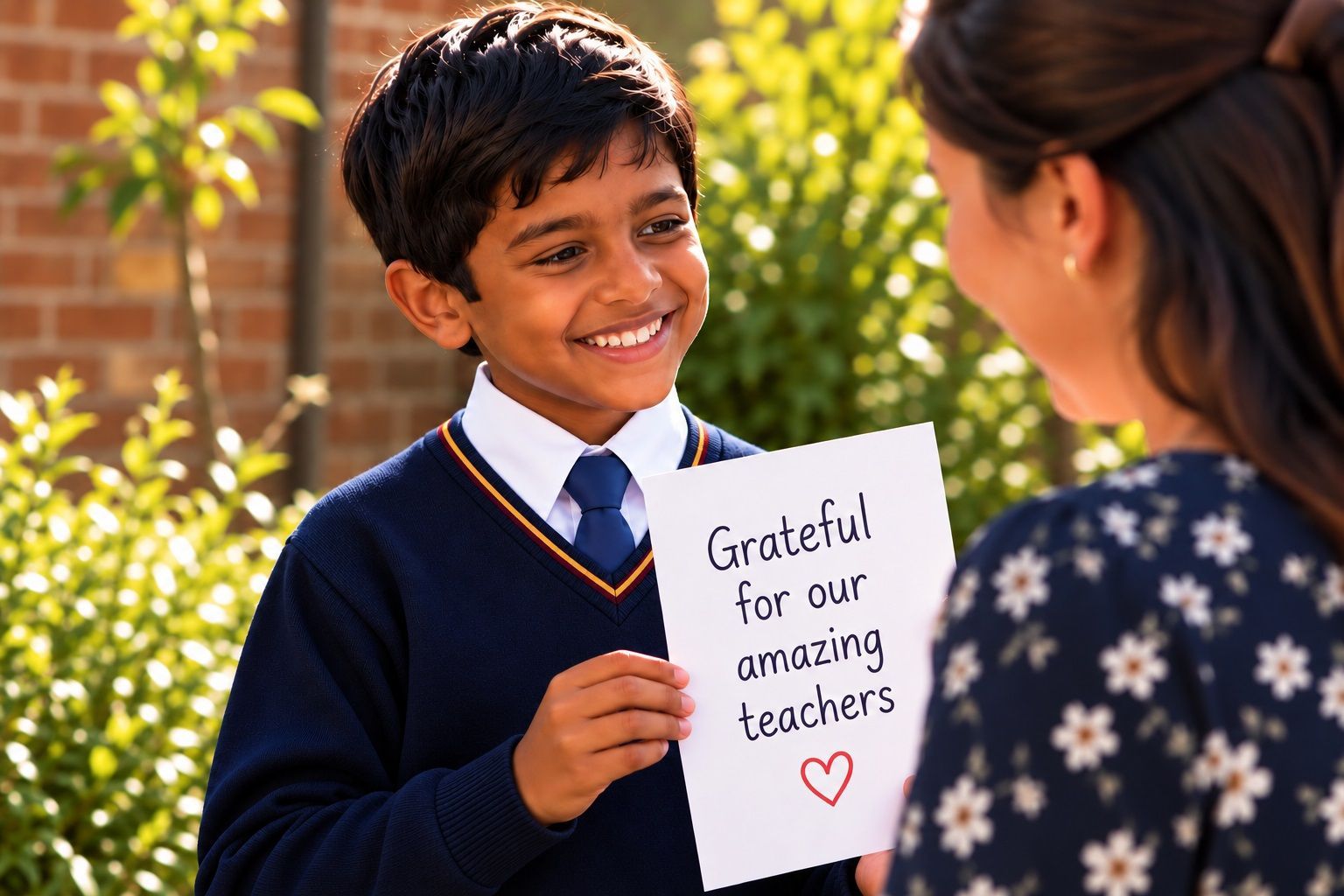
Teachers also play an influential role by demonstrating gratitude in everyday situations. Acknowledging students’ efforts, participating in outreach projects and thanking colleagues, coaches, match officials and community members can be as valuable as a formal lesson.
Gratitude does not require young people to ignore disappointment, pressure or difficult emotions. It helps them recognise sources of strength, support and hope while navigating challenges honestly. Such a balanced perspective can nurture resilience, optimism, healthier relationships and emotional wellbeing.
Families can reinforce these lessons by discussing their children’s efforts, participating in community initiatives together and making gratitude part of everyday conversation. A “Secret Kindness Challenge” could provide a simple World Gratitude Day activity, encouraging each person to perform an anonymous act of kindness without expecting praise.
“Our hope is that grateful students will become adults who lead with humility, integrity, compassion and courage,” concludes Eckstein. “Gratitude should ultimately be visible in how they treat others, use their opportunities and respond to the needs around them.”