Building a Better World: Grace Hieber’s Blueprint for Change

September 14, 2026

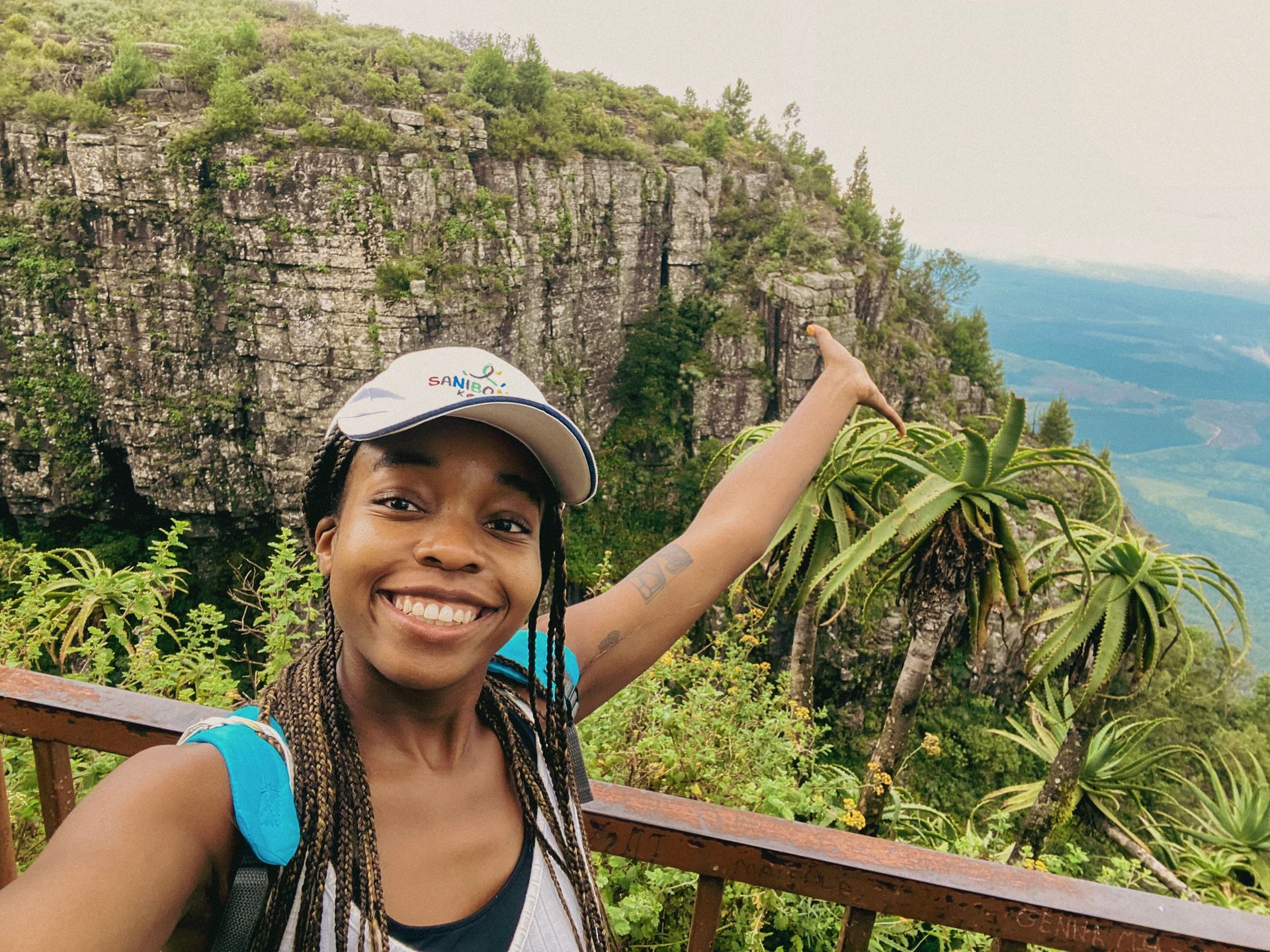
Trinityhouse Randpark Ridge alumna Grace Hieber is proving that architecture is about more than beautiful buildings. It is about listening, dignity, belonging and creating spaces that change lives.

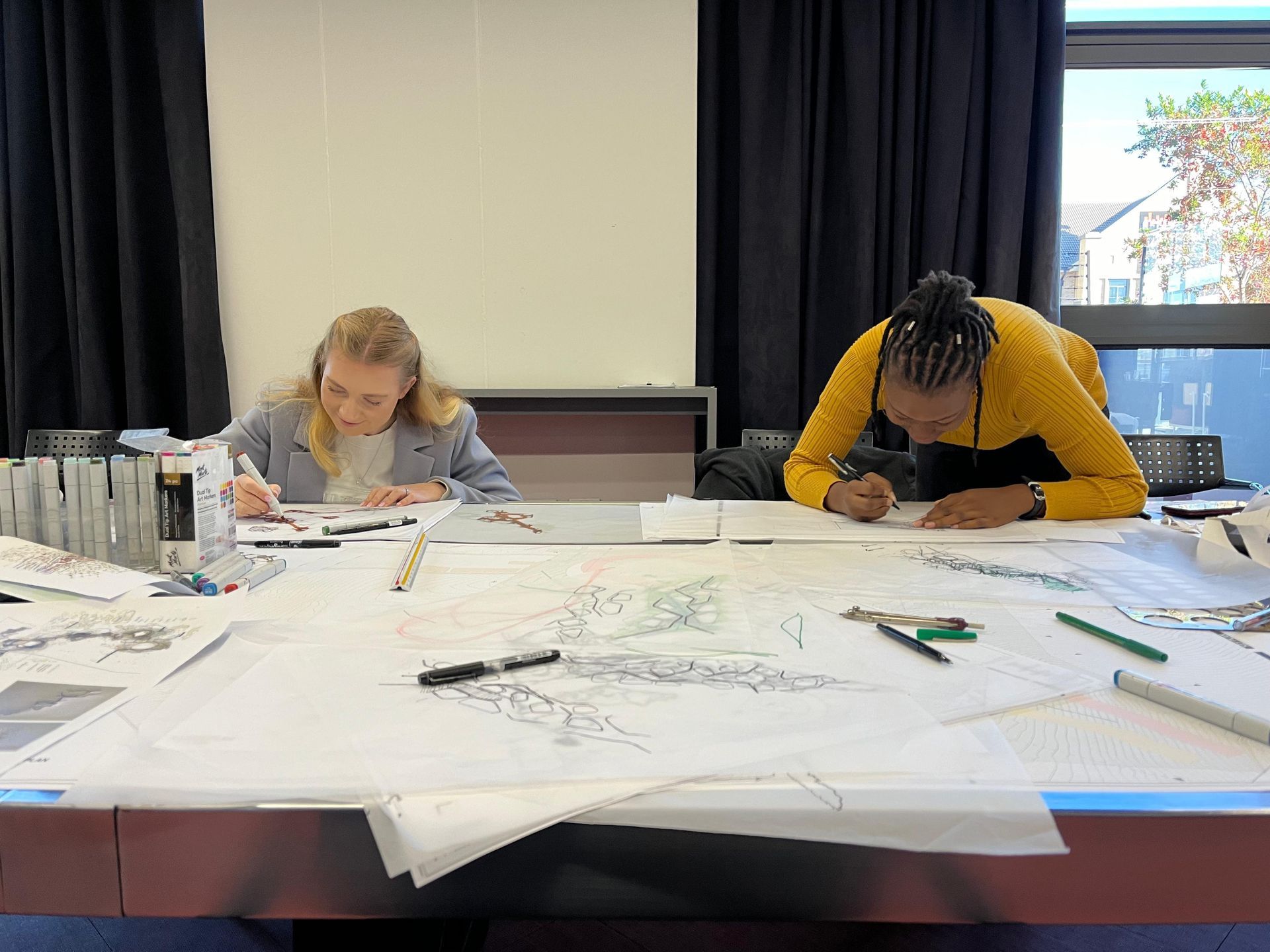
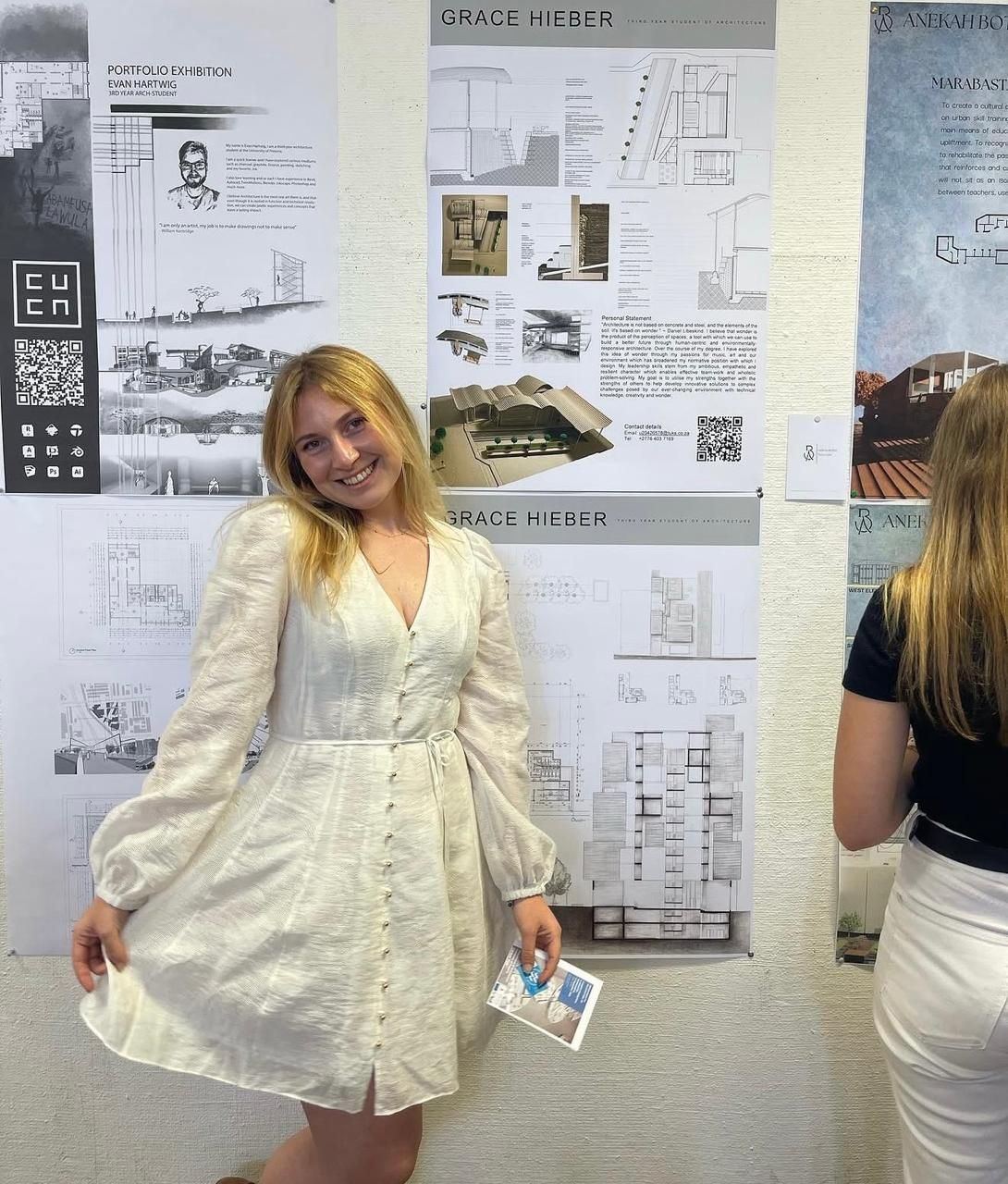
Since matriculating in 2019, Grace has completed a BSc Architecture and a Bachelor of Architecture Honours with distinction at the University of Pretoria. She is currently completing her master’s in architecture, focusing on community participation in the Melusi informal settlement.


Where did your love of architecture begin?

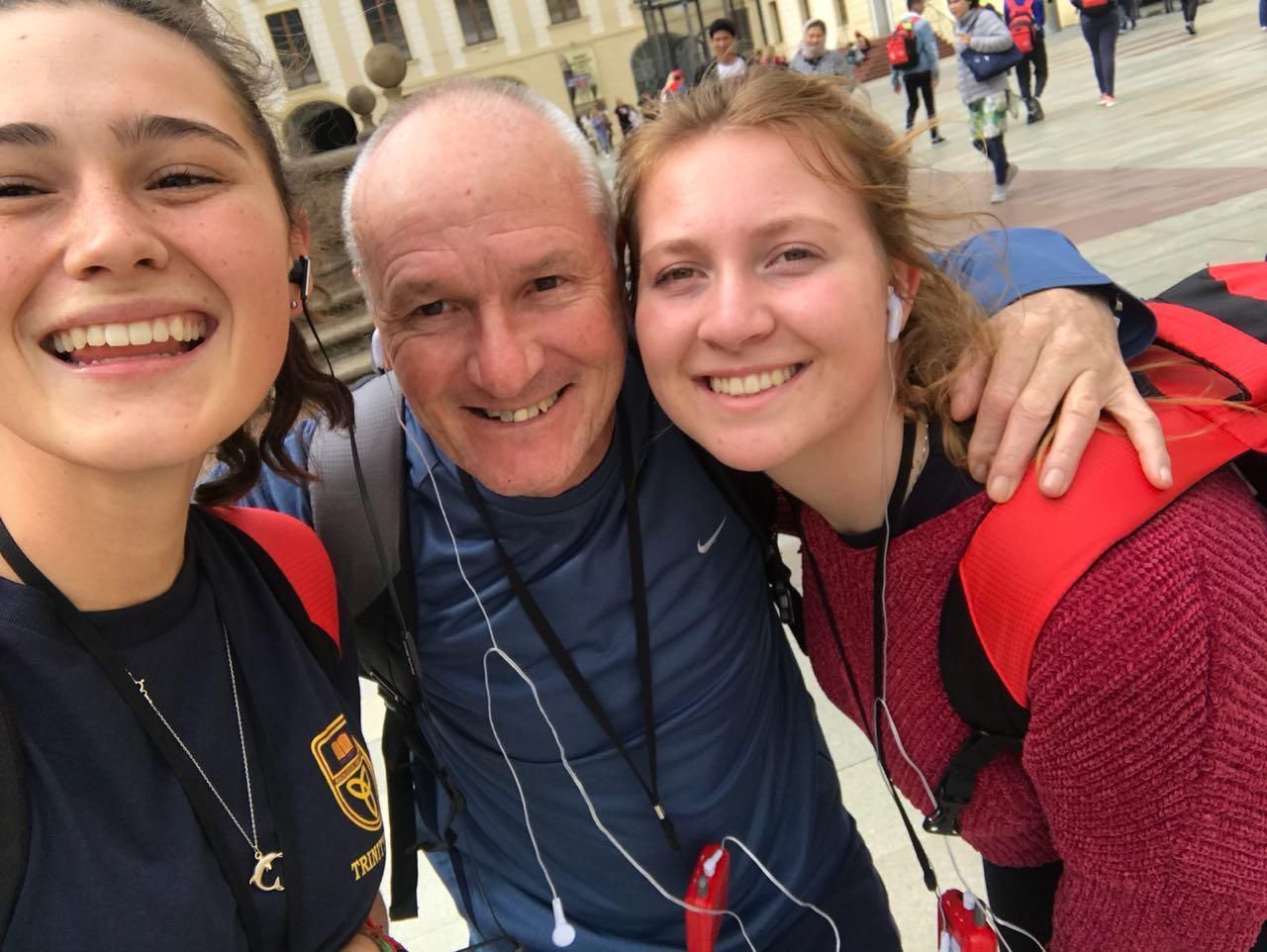
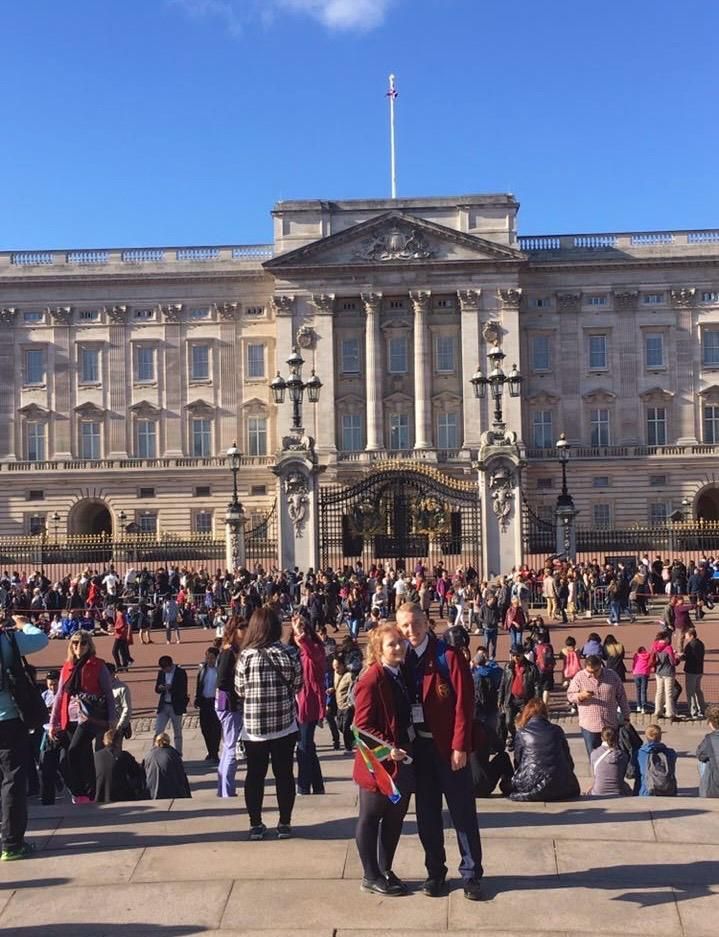
A Trinity Singers’ choir tour to the United Kingdom in Grade 9 planted the first seed. We performed in magnificent cathedrals across London and Scotland, and I was amazed by how the buildings magnified our voices and influenced how we felt inside them.


Years later, I discovered the BSc Architecture degree during an English lesson. Architecture combined everything I loved: art, history, mathematics, creativity, problem-solving and making a meaningful difference.


How did Trinityhouse prepare you?

Trinityhouse gave me the freedom to explore my interests in a supportive environment. The worship team strengthened my faith and confidence. Hockey taught me that sportsmanship is about how you treat people, while choir showed me that one voice can fill a room, but many voices can move it.
 
Major productions taught me that the show must go on, even when you forget a line or have a wardrobe malfunction! Sometimes the script really is only a suggestion.


What does graduating with distinction mean to you?
Graduating with distinction proved that I could do difficult things when I truly commit to them. The achievement represents years of growth, sacrifice, encouragement, prayer and choosing to keep going.
 
Receiving the York Timbers Scholarship reinforced that belief. Your starting point, previous marks, mistakes and other people’s opinions do not define what you can achieve.
 

What is the focus of your work in Melusi?
My research explores how people in Melusi create a sense of home, belonging and participation in the city. It looks beyond physical dwellings to the relationships, livelihoods, services and opportunities that help people establish their lives.
 
Residents are already creating homes, businesses and community networks before formal upgrading begins. My research asks how architecture can support these processes without replacing what residents have built.
 
How did the research become something tangible?

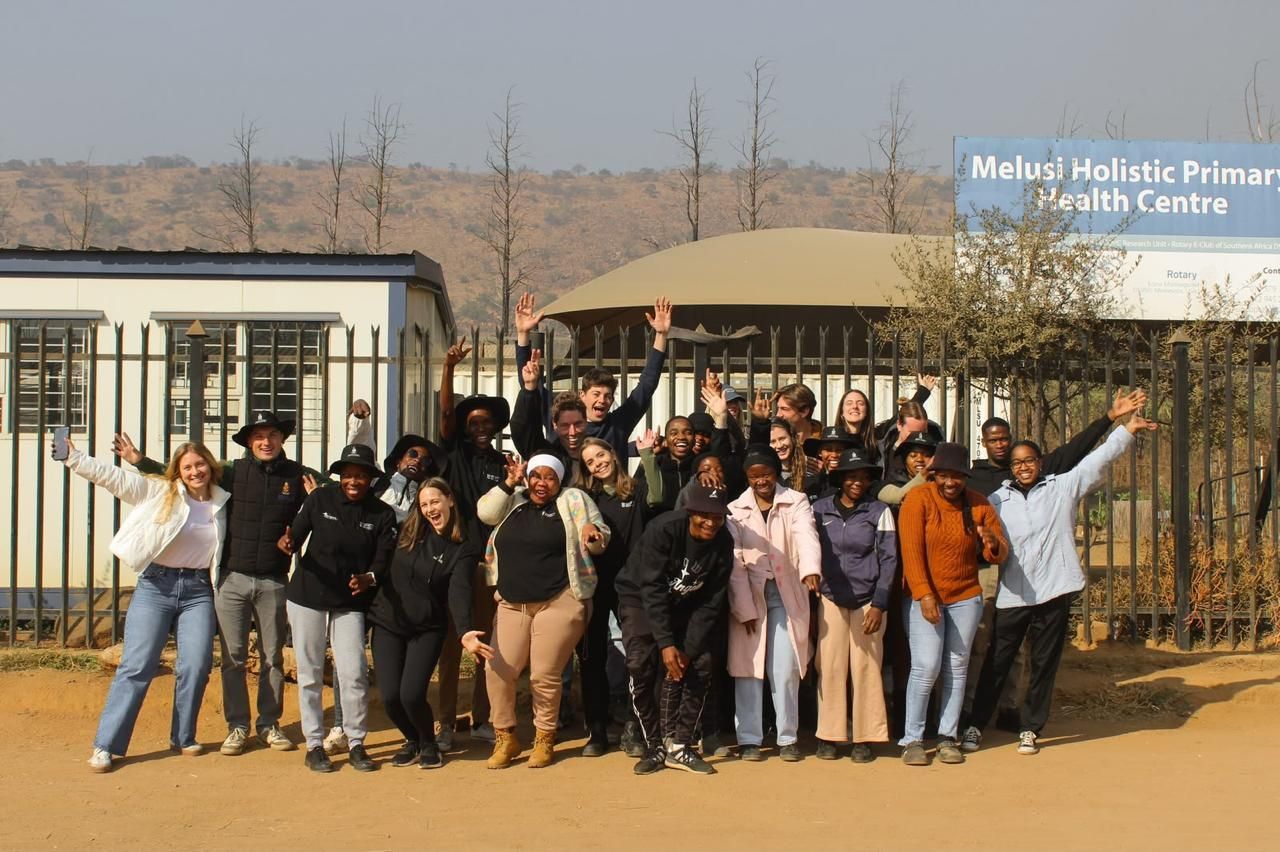
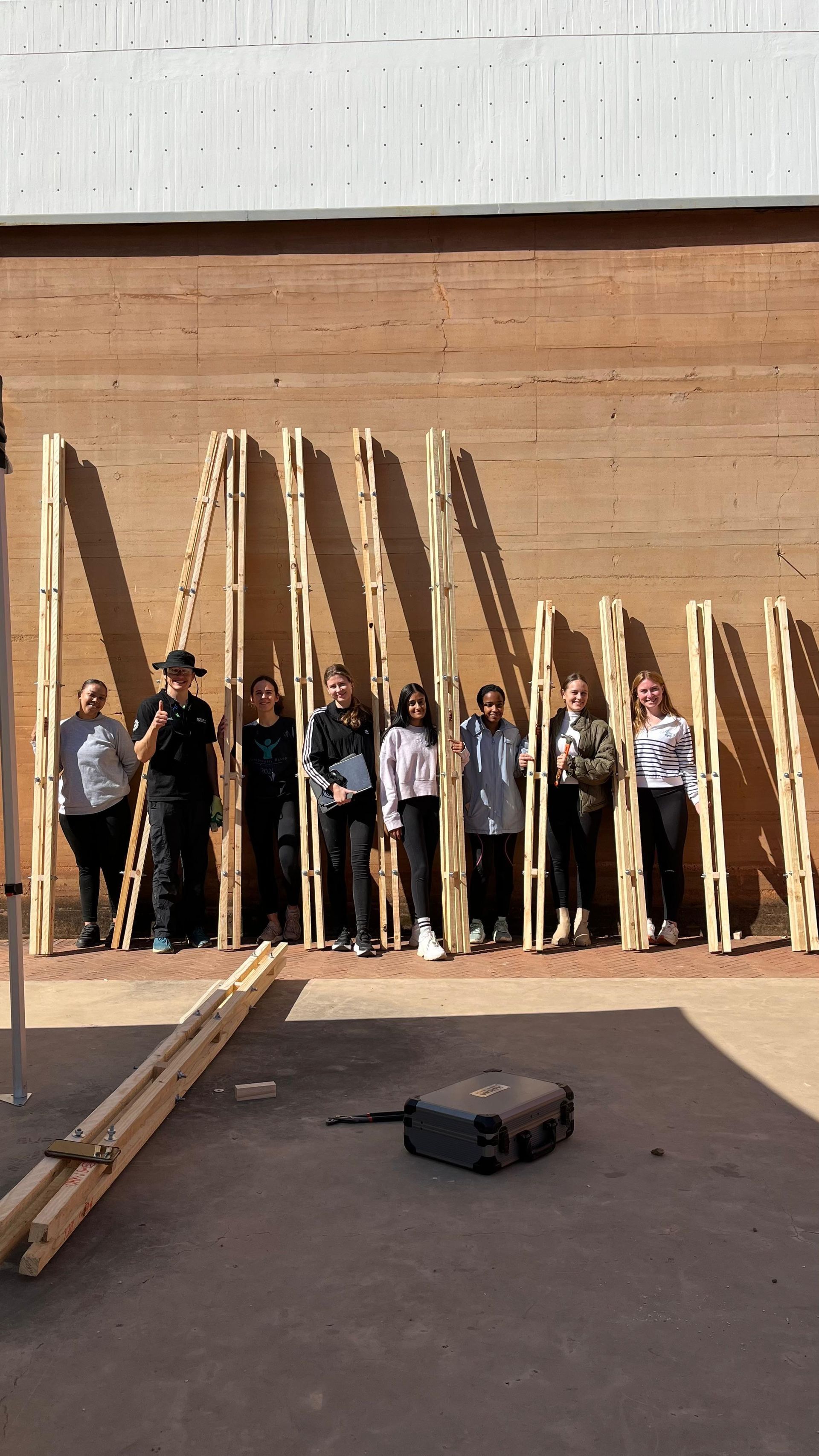
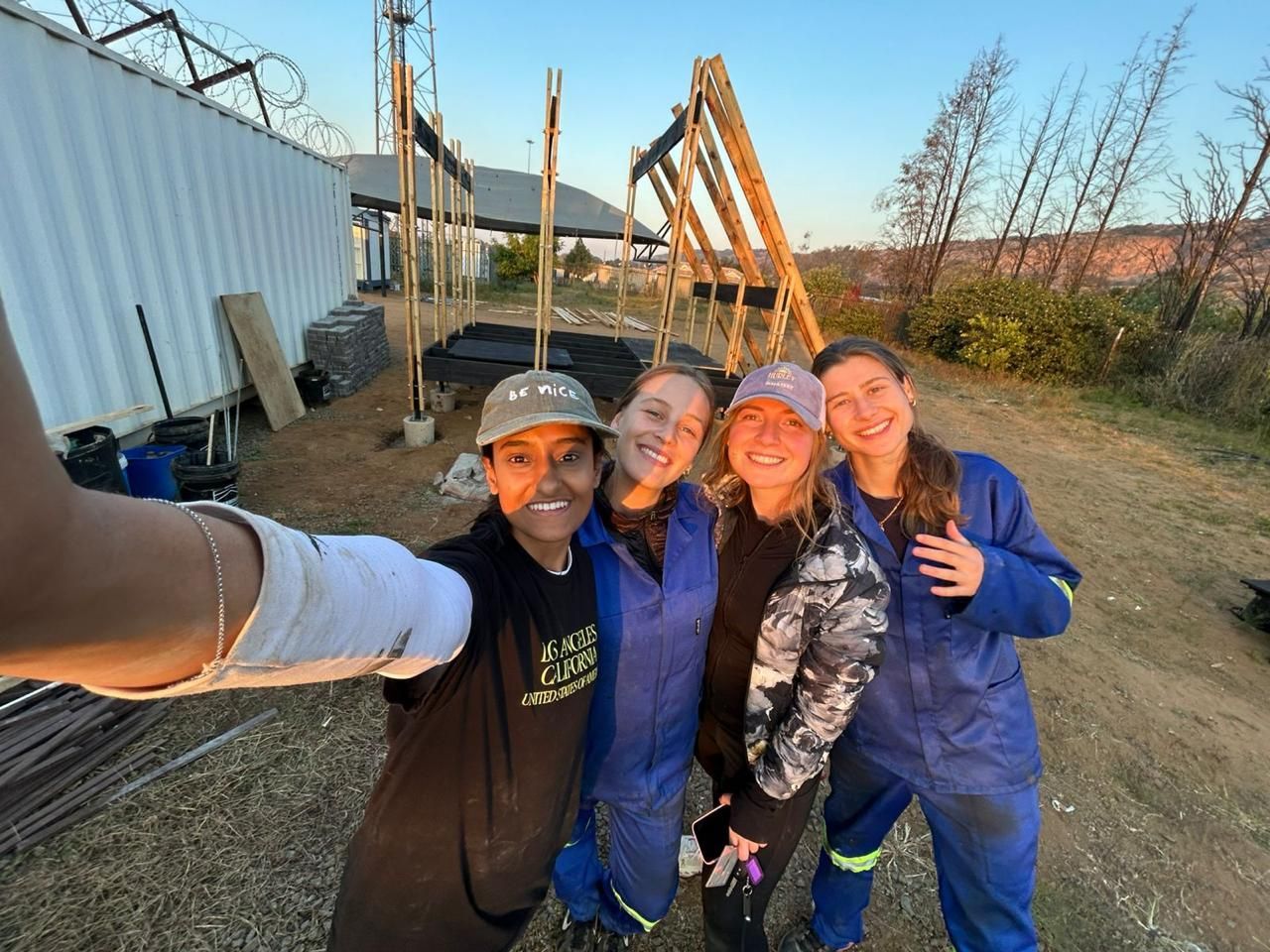
Our team of six women and one man built a timber waiting area for Melusi’s community-orientated primary care clinic. Poor weather can interrupt the clinic’s services because it lacks sufficient protected waiting space.


Weeks were spent co-designing the structure alongside residents. During one demanding week on site, we dug foundations, poured concrete, welded base plates and assembled the structure ourselves.


Seeing something that began as a conversation become useful was one of the most rewarding moments of my education. It taught me more than I could have learnt in a classroom.


What recognition has the project received?


Our team received the Pretoria Institute for Architecture’s student-led award for From Research-Led Design to Co-Creation in Melusi Informal Settlement. The Urban Citizenship Studio also received the International Union of Architects Award for Innovation in Architectural Education.


Presenting my Master’s research at the SACAP conference in Cape Town during September 2026 is another tremendous honour. I hope professionals leave with a broader understanding of what architecture can achieve in South Africa.


What have the people of Melusi taught you?


Melusi has taught me that home and belonging are never created alone. They grow through relationships, shared care, adaptation, trust and collective effort.


Meaningful architecture begins by listening. Community members are experts in their own lives, and architects should support the knowledge and agency that already exist.


What advice would you give Trinityhouse students?


Never allow your starting point, marks, mistakes or somebody else’s opinion to determine what you can achieve. Stay curious, ask questions, find mentors and finish what you start.


Keep showing up and remember that sometimes the script really is only a suggestion.


QUICK FIRE:

  • Tea or coffee? Coffee
  • Early riser or night owl? Night owl
  • Sketchbook or digital design? Sketchbook
  • Historic or modern buildings? Historic buildings
  • Site visit or studio day? Site visit
  • Mountains or ocean? Ocean
  • Favourite South African building? Zeitz MOCAA
  • Favourite architecture destination? Italy


Still Building, Still Belonging


Grace’s journey shows that the strongest foundations are built through faith, resilience, curiosity and community. Her vision reaches far beyond distinctions, scholarships and awards.


True success, she believes, lies in the value your work creates and the difference it makes in people’s lives. Grace continues to carry the spirit of Trinityhouse into every community and space she helps shape, proving that meaningful architecture begins with people.

September 7, 2026
The Trinityhouse Randpark Ridge alumna has expanded a career built in kitchens and organic gardens into the world of tailor-made African safari travel.
August 4, 2026
A shared Christian heritage and a commitment to educational excellence come together as Glenwood House prepares for its next chapter
July 31, 2026
This International Day of Friendship, Trinityhouse explores how meaningful relationships nurture belonging, shape character and help children grow into compassionate, confident young adults.
July 20, 2026
International Chess Day highlights how Trinityhouse and Mzansi Chess Academy are helping students develop the thinking, resilience and leadership skills needed for tomorrow's world.
July 1, 2026
A new chapter will strengthen Christian values, academic excellence and opportunities for generations of students
June 11, 2026
Why play remains one of the most powerful tools in shaping confident, capable and compassionate adults
June 5, 2026
Engineering Speed, Grit and Global Adventure: Meet Trinityhouse Alumnus Matthew Thersby
May 29, 2026
Creative Courage, Big Dreams and Space Kid Adventures
By Franco van Dyk, Deputy Principal of Trinityhouse Preparatory Centurion May 18, 2026
Winning a match may earn applause in the moment, but the lessons learnt through sport often last a lifetime. Every training session, team talk, victory and defeat presents students with opportunities to develop resilience, discipline, leadership and integrity in ways few other environments can offer. As schools around the world mark World Fair Play Day on 19 May 2026, conversations around sport are shifting beyond trophies and results towards the deeper role athletics play in shaping character and preparing students for life beyond the classroom. Sport places students in environments where responsibility constantly changes. One moment may require leadership and confidence, while another demands humility, support and teamwork. These experiences encourage students to understand that success is rarely achieved alone. According to Trinityhouse Preparatory Centurion Deputy Principal Franco van Dyk, sport provides one of the most practical platforms for character development. “Sport challenges students to lead, support, adapt and persevere in real-time situations. Character is often revealed during moments of pressure, disappointment or uncertainty. Those experiences help shape young people into resilient and responsible individuals,” says van Dyk. Participation in sport also teaches accountability. Students quickly learn that preparation, commitment and consistency influence outcomes. Team environments reinforce the understanding that every individual contribution matters and that collective success depends on shared effort and responsibility. Healthy sporting cultures are equally dependent on respect. Respect towards teammates, opponents, teachers, coaches and the school itself create environments where students feel connected to something greater than themselves. Pride in representing a school badge often strengthens responsibility, discipline and unity. Good sportsmanship becomes especially important during difficult moments. Victory may reveal confidence but defeat often reveals character. Students learn how to recover after setbacks, reflect on performance and continue striving towards improvement despite disappointment. “Fair play is about much more than following rules,” explains van Dyk. “Students learn that integrity matters even when nobody is watching. Ethical behaviour, honesty and respect become habits that influence the way they lead and interact later in life.” Sport also provides valuable opportunities for students to develop emotional maturity. Pressure situations, competition and conflict require young people to manage emotions constructively while learning how to communicate effectively and make decisions under stress.  Leadership within sport extends beyond captains and top performers. Students who encourage teammates, demonstrate discipline and show empathy often influence team culture just as powerfully. Younger students naturally observe these behaviours and begin adopting similar values themselves. Humility remains another important lesson developed through sport. Success can easily create complacency, yet grounded individuals continue learning, improving and respecting others regardless of results. Students begin to understand that personal growth matters more than status or recognition. Inclusive sporting environments also play a vital role in student development. Equal opportunities encourage participation, confidence and belonging while strengthening school communities. Students exposed to diverse personalities, strengths and perspectives develop empathy and mutual respect through shared experiences. Schools therefore carry an important responsibility to ensure sport remains grounded in values and fair play rather than purely results-driven competition. Recognition of effort, resilience, teamwork and improvement helps students understand that conduct and character carry greater long-term value than short-term victories. “Sport prepares students for life far beyond school,” adds van Dyk. “Resilience, discipline, teamwork, humility and integrity remain essential qualities in adulthood. Lessons developed on the sports field often become the foundation for future leadership and success.” As conversations around education continue evolving, sport remains one of the most powerful classrooms for teaching students how to lead ethically, support others respectfully and approach life with courage and integrity.
May 15, 2026
International Families Day reminds us that students thrive when schools and families walk the journey together