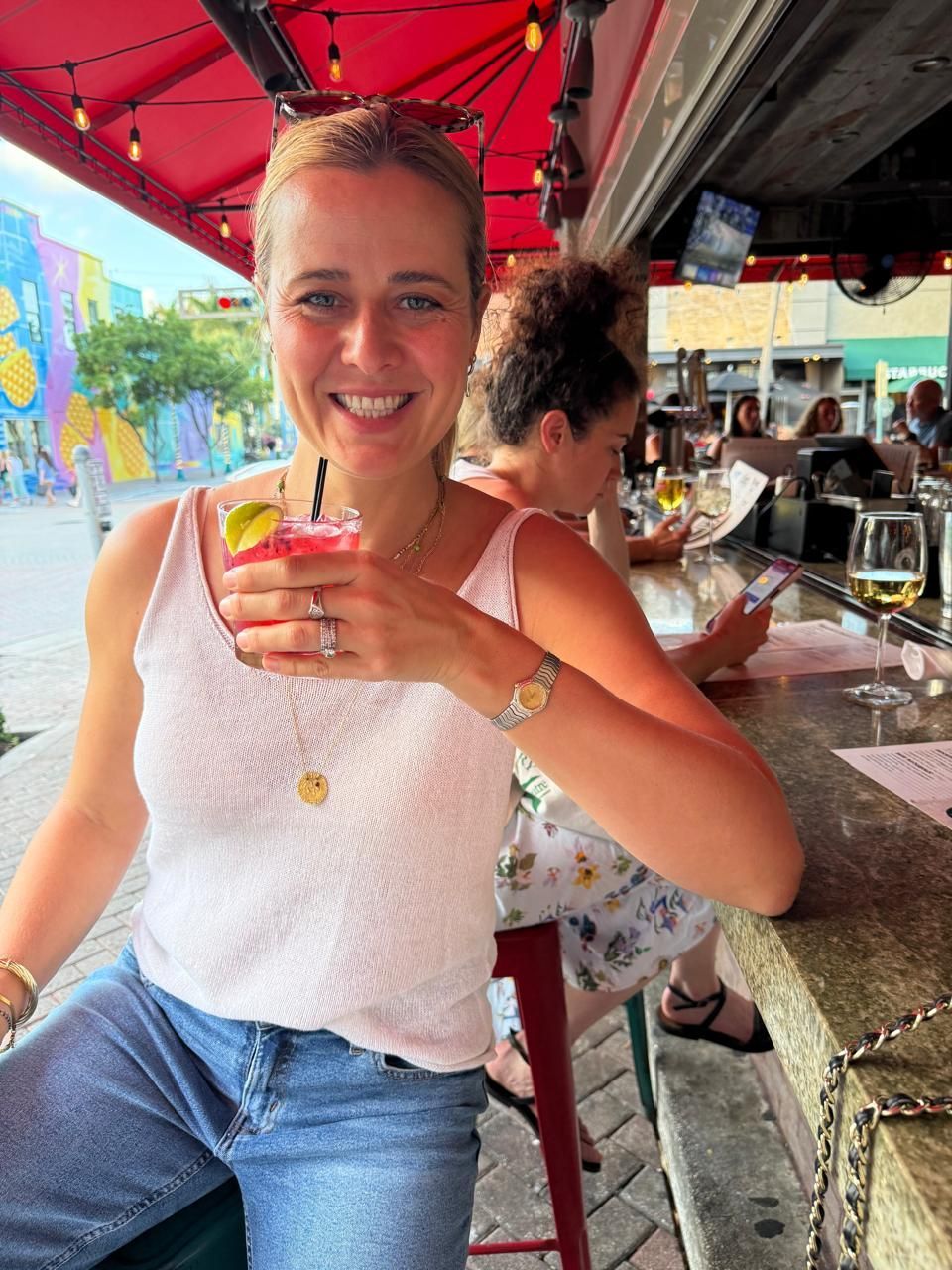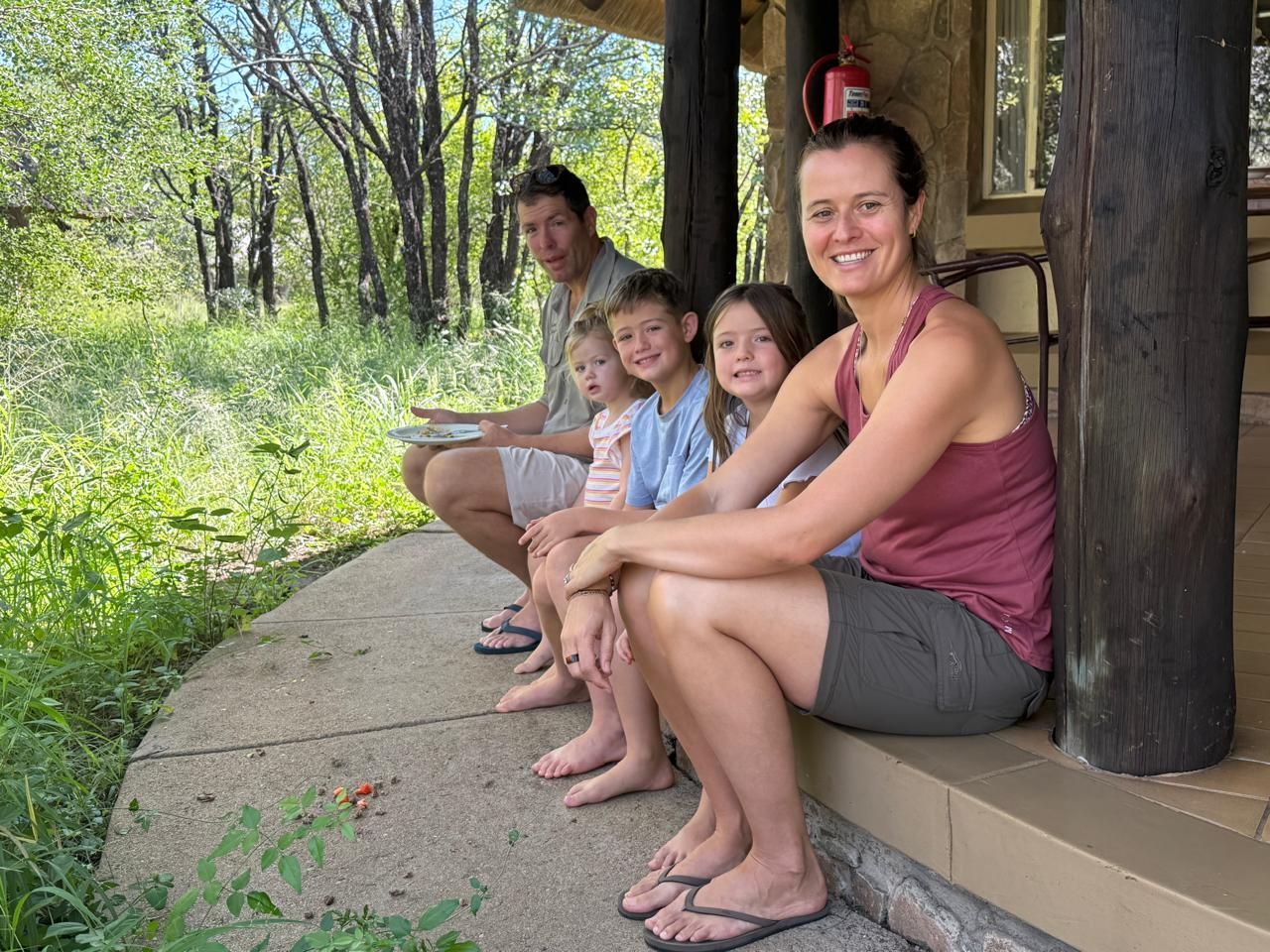
Antonia Hoddinott: Where Food, Adventure and Enterprise Meet
The Trinityhouse Randpark Ridge alumna has expanded a career built in kitchens and organic gardens into the world of tailor-made African safari travel.
Matric Year: 2003
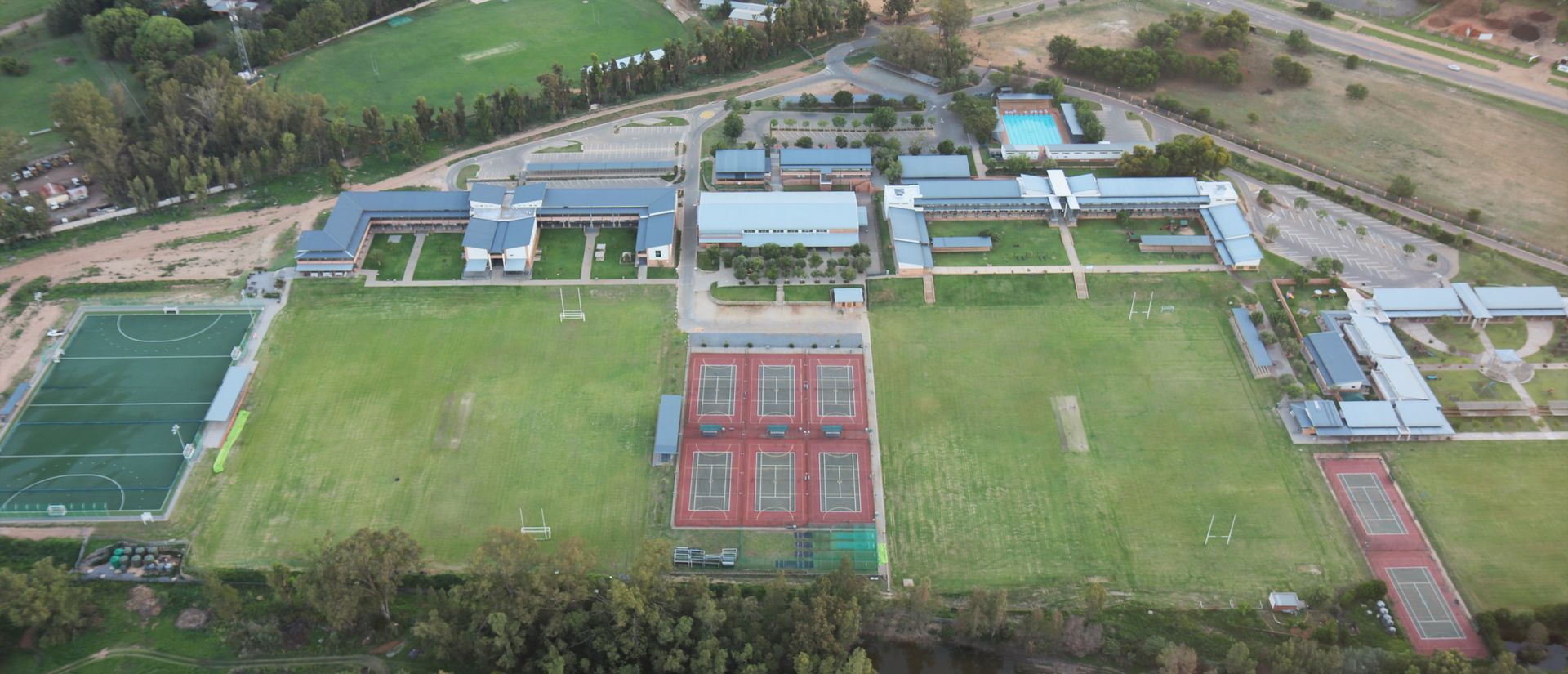
School: Trinityhouse Randpark Ridge
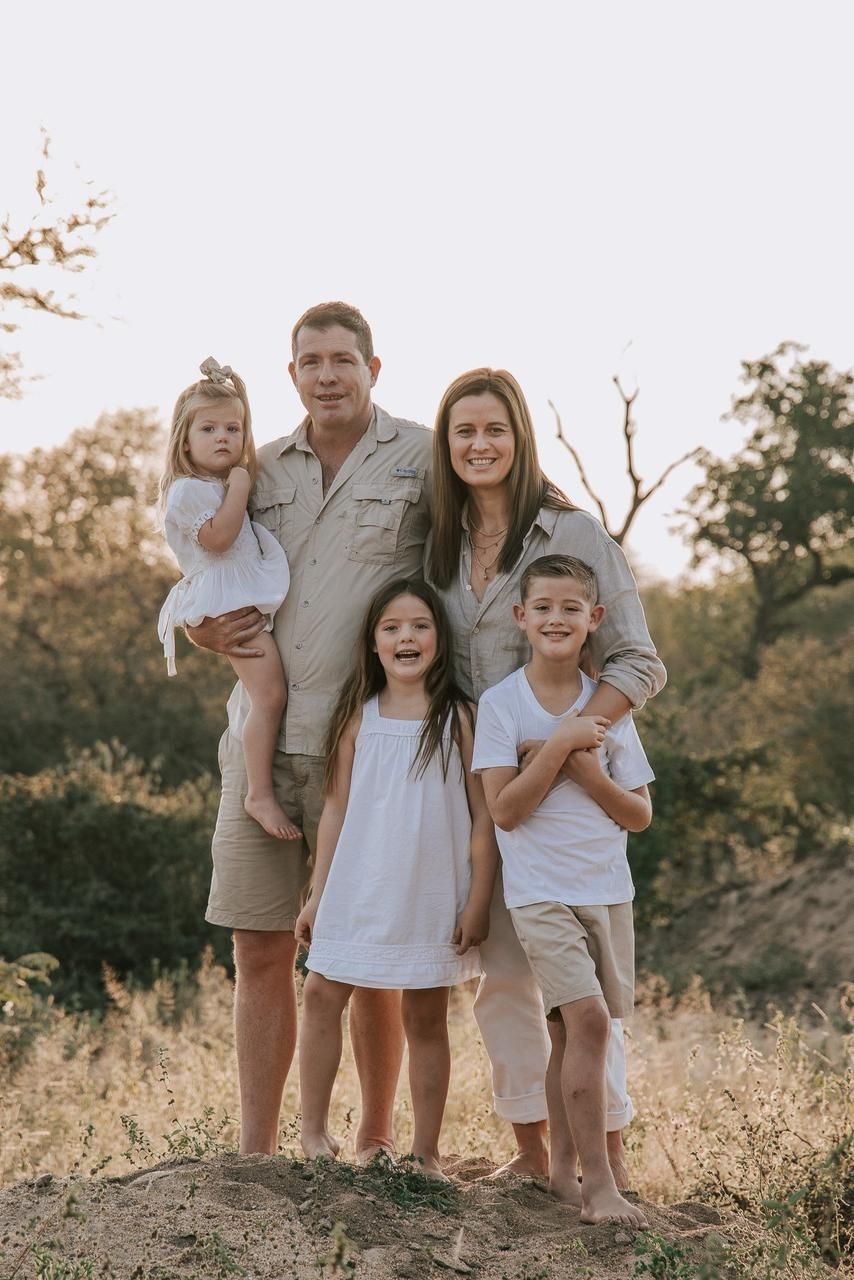
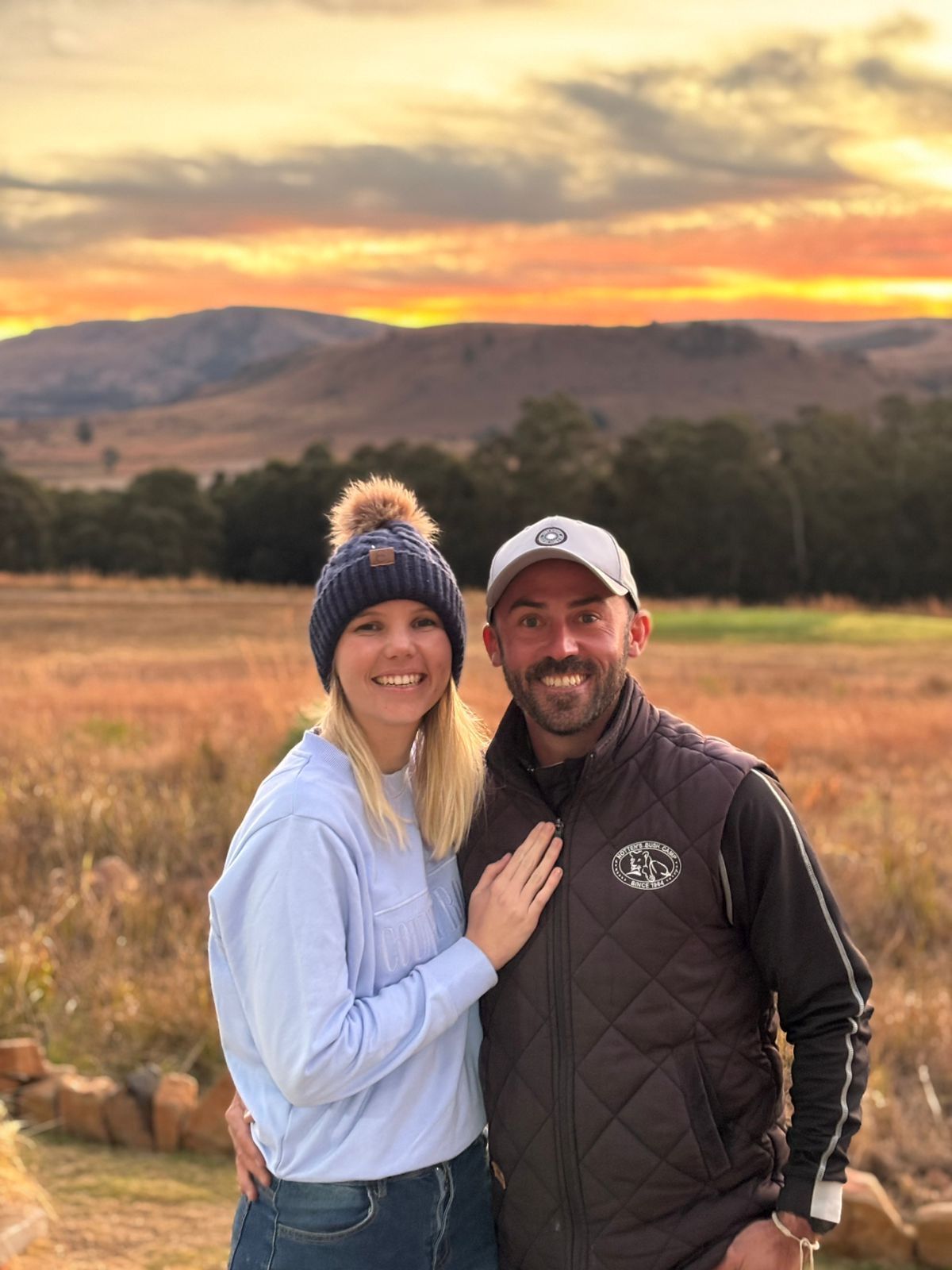
Antonia Hoddinott’s career refuses to fit into a single box. She is a chef, author, entrepreneur, mother of three and, most recently, a safari consultant helping travellers discover Africa through carefully chosen, experience-led journeys. Her story has moved from the family restaurant and the pioneering Leafy Greens Café to luxury safari travel, yet one idea still connects every chapter: creating meaningful experiences that bring people closer to place, nature and one another.
Your career has grown far beyond the kitchen. How would you describe what you do today?
As well as my safari business, I have a beautiful gift shop and deli in Hoedspruit called The Farmhouse Shoppe. You can find us on Instagram at @the_farm_house_shoppe.
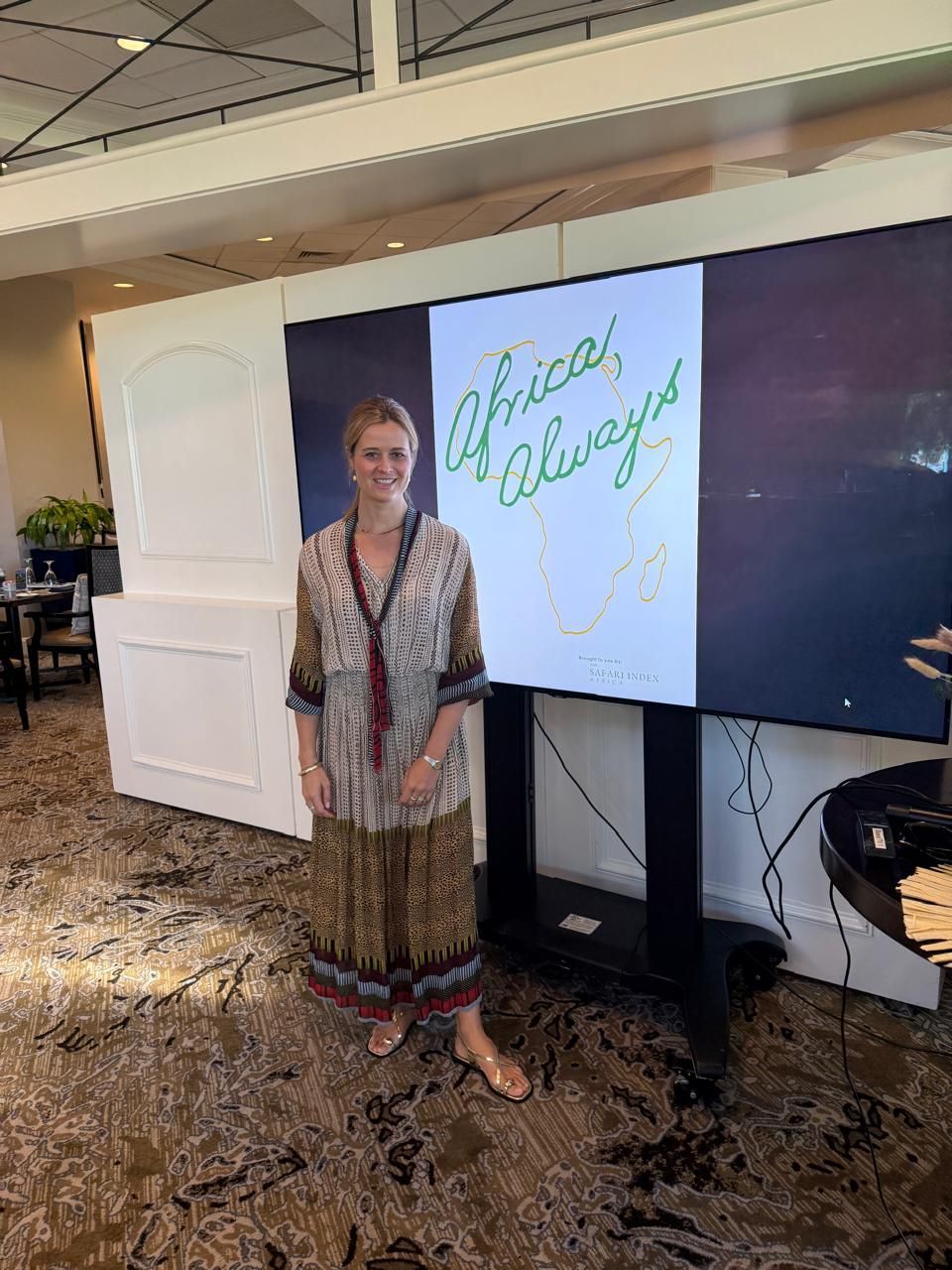
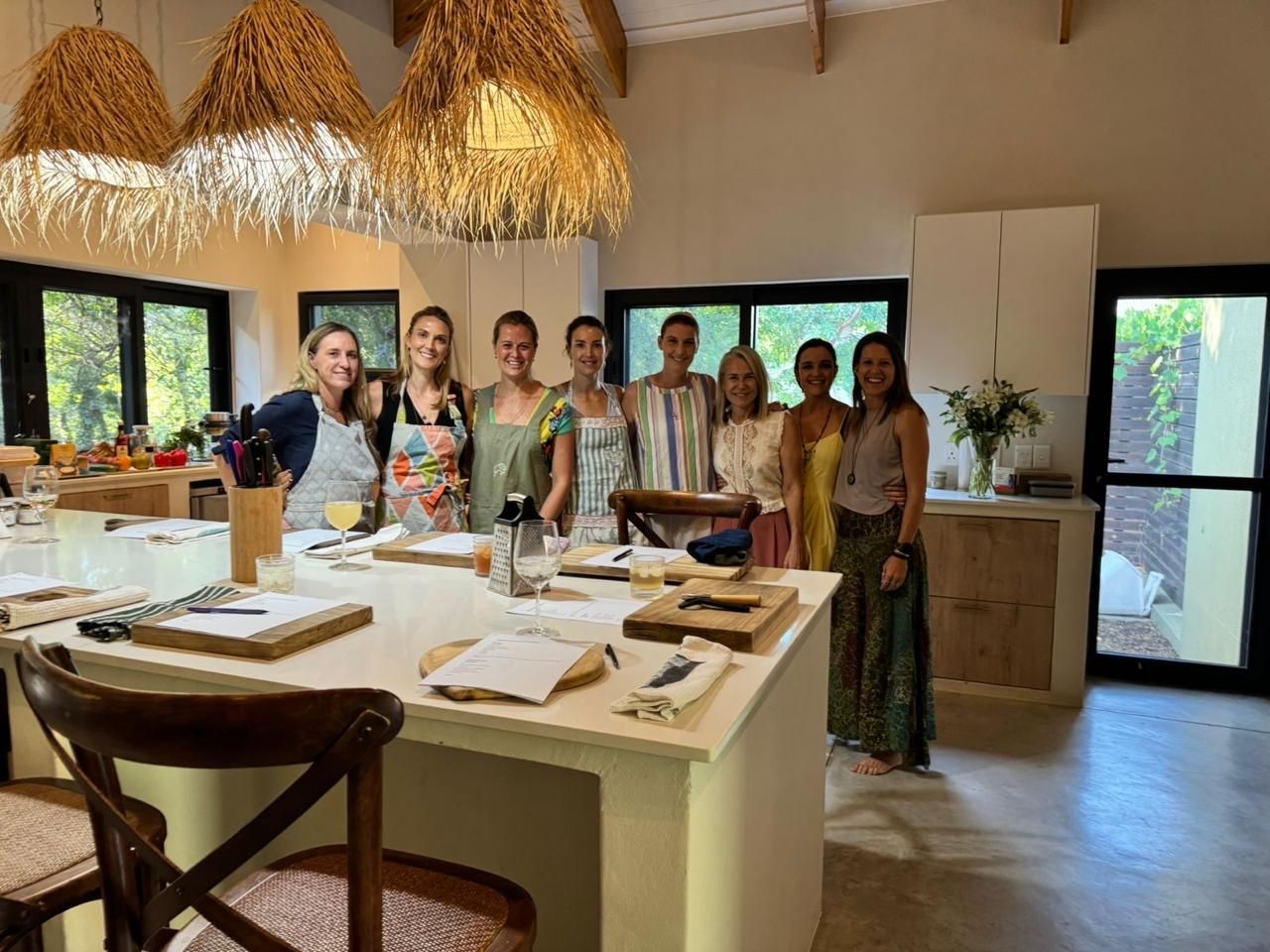
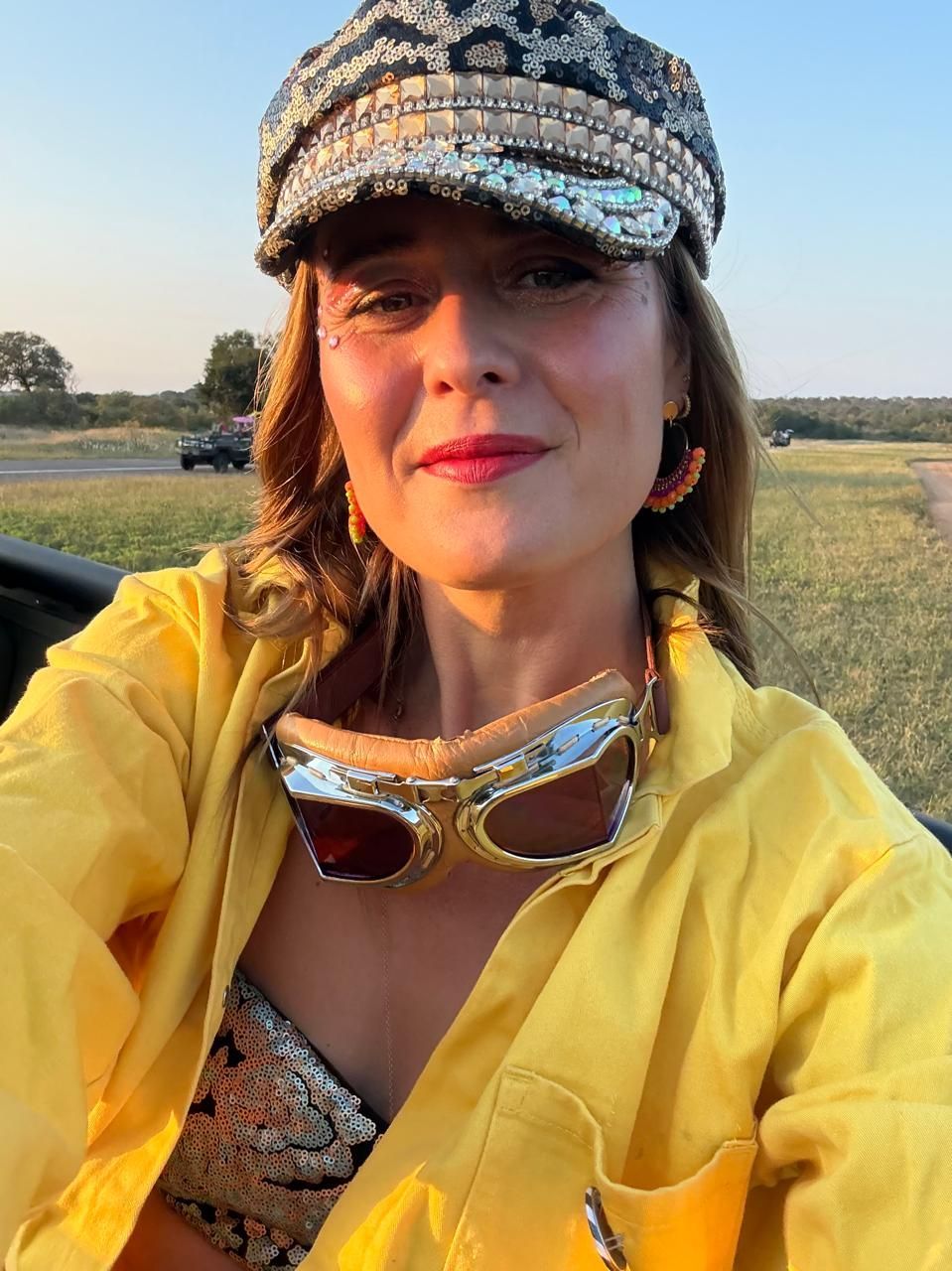
Today, my work brings together hospitality, travel, food and a lifelong love of Africa. I am a safari consultant working across The Safari Index and Aspect Africa, where I help create tailor-made journeys based on first-hand knowledge of destinations, lodges and experiences. Cooking and food entrepreneurship remain part of who I am, but safari travel has opened an exciting new way to create unforgettable experiences for people.
What drew you into the safari world?
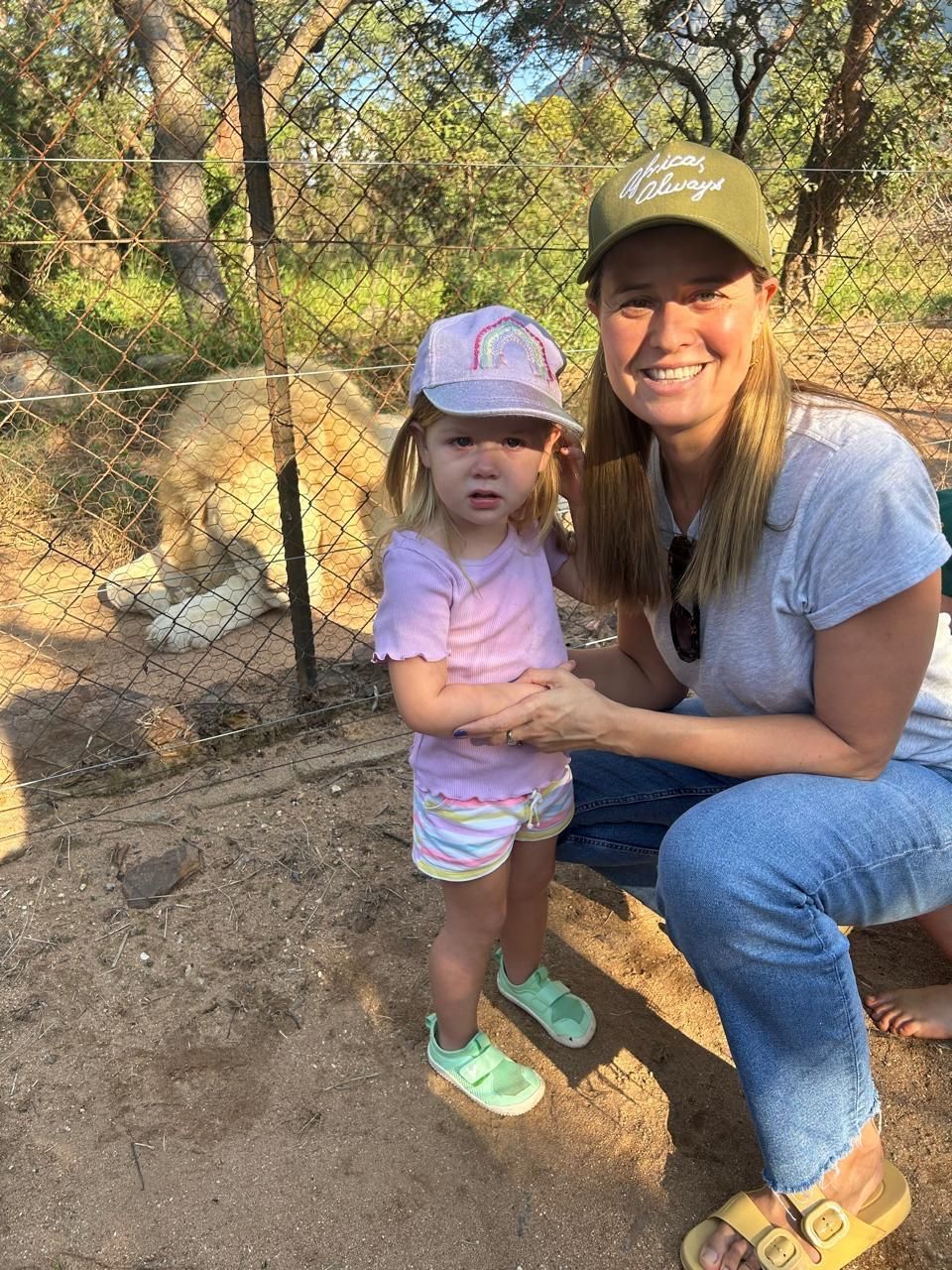
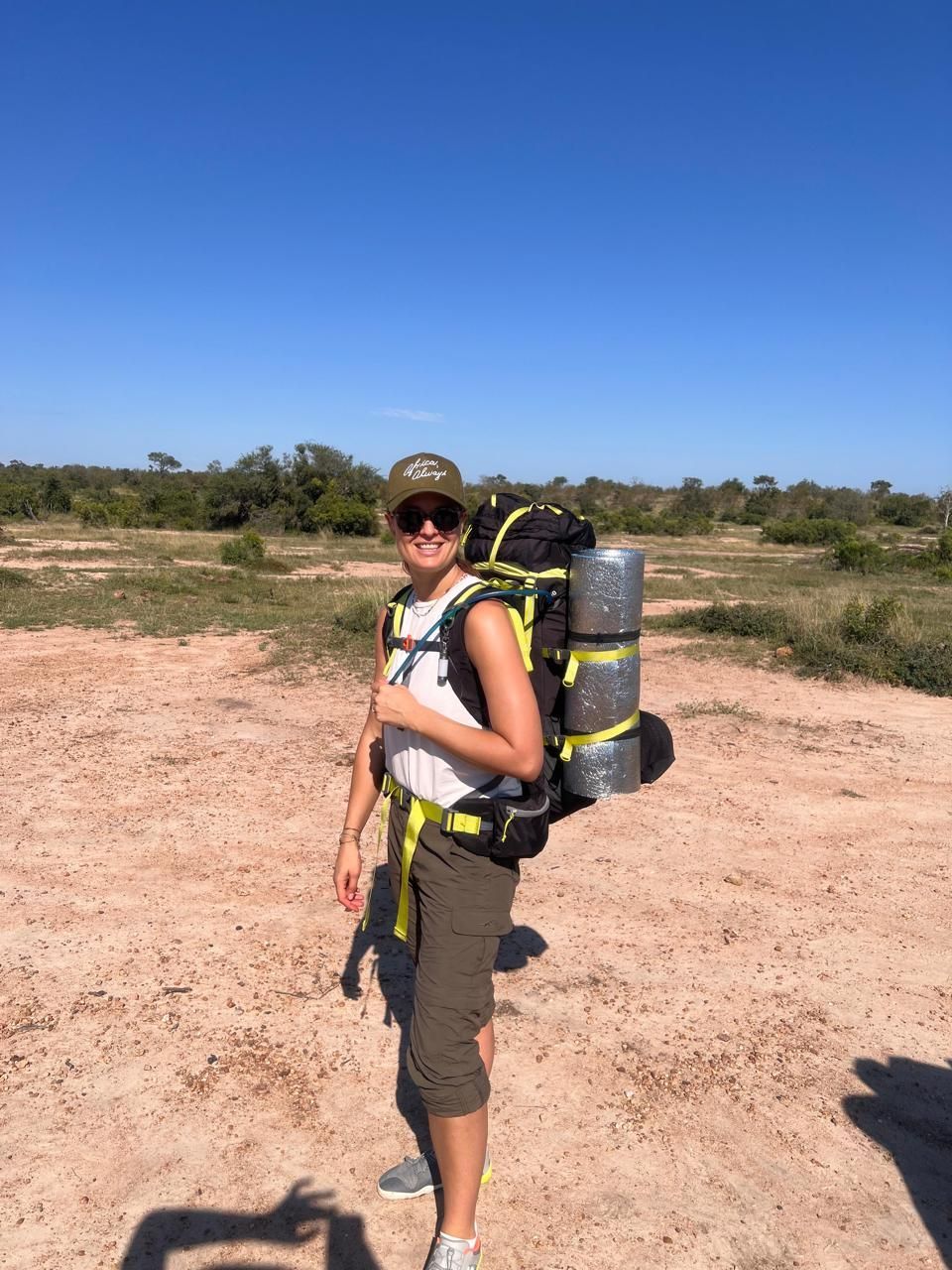
Much of my youth was spent on our family farm in the Greater Kruger area. Africa’s wildlife, open spaces and sense of freedom became part of me at an early age. Extensive travel across Africa and the world only strengthened my belief that some of the most extraordinary places on earth are here on our continent. Safari consulting allows me to share that conviction in a practical and deeply personal way.
How does your hospitality background shape the journeys you design?
Hospitality teaches you to listen carefully, anticipate needs and pay attention to the small details that transform a good experience into an exceptional one. Restaurant work also taught me that people remember how a place made them feel. Those lessons translate naturally into safari planning, where the right destination, pace and personal touches can turn a holiday into a lifelong memory.
Which milestones laid the foundation for your entrepreneurial journey?
My earliest lessons came from working in my family’s restaurant, Casalinga Ristorante Italiano, alongside my parents, Peter and Jenny De Luca. Chef training in the United States broadened my culinary experience, while studies in commerce, marketing and entrepreneurship gave me a stronger business foundation. An MBA in finance from Bond University added another valuable layer to the way I evaluate opportunities and build sustainable ventures.
Leafy Greens Café became a recognised name in plant-based dining. What made that venture significant?
Launching Leafy Greens Café in 2010 gave me the opportunity to champion fresh, organic, vegan and vegetarian food at a time when plant-based eating was still finding its mainstream audience in Johannesburg. The restaurant proved that wholesome food could be generous, exciting and full of flavour. Its success led to Antonia’s Botanicals and helped establish a broader platform for sharing recipes, products and ideas about mindful living.
What role has publishing played in your career?
Books allowed me to take the flavours and philosophy of the garden beyond the restaurant. Recipes from Our Organic Garden captured many of the dishes associated with Leafy Greens Café, while Antonia’s Way explored everyday essentials for a happier, healthier life. Writing demands patience, clarity and rigorous testing, but it also creates a lasting way to share knowledge and encourage people to try something new.
Your work now connects food, conservation, travel and entrepreneurship. What is the common thread?
Each venture begins with experience and connection. A memorable meal can connect someone to a season, a culture or a family tradition. A safari can connect a traveller to wildlife, landscape and the importance of protecting wild places. Business becomes most meaningful when it creates value while deepening that sense of connection.
How do you approach responsible and authentic African travel?
Authenticity starts with first-hand knowledge and honest recommendations. The most rewarding journeys extend beyond a beautiful room or famous destination; they engage the senses, introduce travellers to remarkable people and reveal why a landscape matters. Responsible travel should respect local communities, support conservation and leave guests with a stronger appreciation of Africa’s natural heritage.
What have you learnt about reinventing yourself professionally?
Reinvention does not mean discarding everything that came before. My experience in restaurants, product development, publishing and business now strengthens my work in travel. Curiosity helps you recognise where your skills can create value in a new setting. Courage helps you take the first step, even when the next chapter looks very different from the last one.
Which lessons from Trinityhouse still matter to you?
Trinityhouse helped build the confidence to think independently, take initiative and work well with others. Those qualities remain essential in every venture I pursue. School can give young people far more than academic knowledge, it can help them discover how they respond to challenges, collaborate with people and turn an idea into action.
What advice would you offer Trinityhouse students who dream of creating unconventional careers?
Stay curious and avoid limiting yourself to one label. Skills gained in one industry can become a powerful advantage in another. Learn the commercial side of your passion, seek practical experience and treat mistakes as information rather than failure. A career can contain several chapters, and the most exciting opportunities often appear where different interests meet.
What makes you most optimistic about Africa’s tourism future?
Africa offers extraordinary wildlife, landscapes, cultures and hospitality that cannot be replicated elsewhere. Travellers increasingly want experiences that feel personal, purposeful and real. That shift creates opportunities for businesses that value conservation, local knowledge and thoughtful service. Our continent has every reason to lead the world in transformative travel.
What does success mean to you now?
Success means building a life in which family, purpose, creativity and enterprise can coexist. It means using experience to help others discover something meaningful, whether that happens around a table or beneath an African sky. Growth matters, but the impact an experience has on people matters even more.
Quick Fire Questions:
- Tea or coffee? Herbal tea
- Early sunrise or night owl? Early sunrise
- Organised or last-minute? Organised
- Pen and paper or laptop? Laptop
- Book or movie night? Book night
- Favourite herb? Basil
- Something you cannot cook without. Olive oil
- Beach, bush or city escape? Bush escape
- Dream food destination. Italy
Antonia’s journey shows students that a career need not follow a straight line. Skills, passions and opportunities can meet in unexpected ways, creating work that is both commercially meaningful and personally fulfilling. Her path from Trinityhouse to organic kitchens and African wilderness proves that reinvention is not a detour, it can be the destination.