International Mother Language Day: Raising Globally Confident Students Proud of their Roots
Celebrating multilingual education at Trinityhouse, where identity, inclusion and global readiness grow together.
Experts: Samantha Nkosi, Raesetja Ntuli and Maché Piek (Trinityhouse Centurion Teachers)
International Mother Language Day, celebrated annually on 21 February, offers schools across South Africa an opportunity to reflect on language inclusion, cultural diversity and identity. At Trinityhouse Schools, language education is not only about academic achievement. It is about building culturally confident, globally aware students who are proud of their roots.
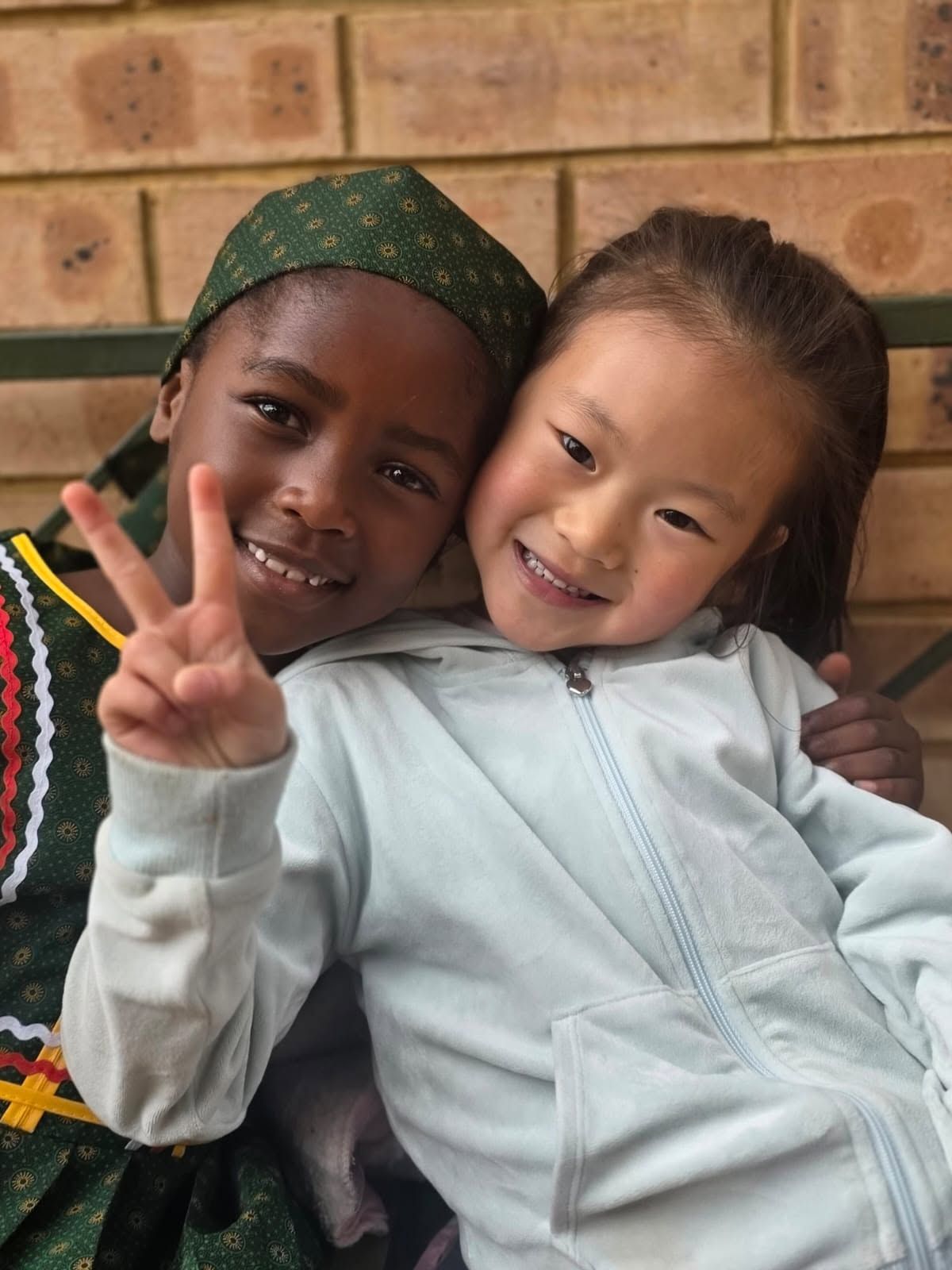
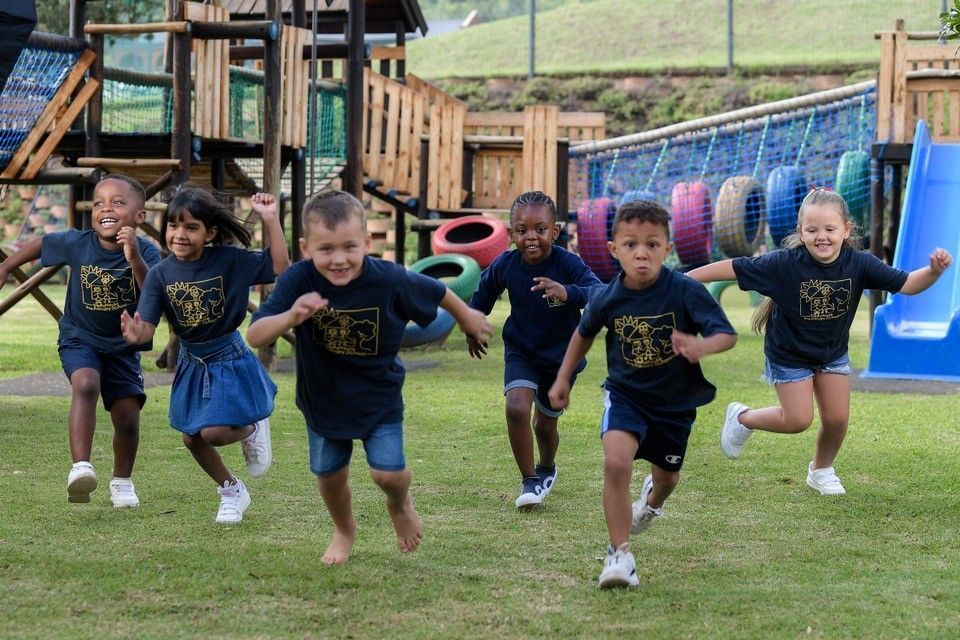
In the early years, language shape’s identity. When young children hear Sepedi, isiZulu, Afrikaans or their home language spoken in the classroom, they feel recognised and valued. Introducing home languages in Pre-Primary affirms cultural heritage at a critical stage of development.
Children who encounter familiar words, songs and greetings settle more quickly into school life. Multilingual exposure through music, storytelling, indigenous games and augmented reality books strengthens vocabulary and builds early literacy foundations. Students explore the meaning of their names and surnames, deepening pride in their identity.
When a child’s mother tongue is acknowledged, confidence grows. Participation increases. Classrooms become spaces where diversity is celebrated naturally. Early language inclusion supports emotional wellbeing and strengthens school readiness, creating confident students from the very beginning.
As students’ progress through Preparatory School, continued development of home language skills alongside English strengthens academic performance. Research and classroom experience consistently show that students who maintain strong home language proficiency demonstrate improved comprehension, stronger reading skills and greater conceptual understanding.
Teaching strategies such as repetition, guided group reading and small discussion circles allow multilingual students to participate without pressure. Students often explain concepts in Sepedi before bridging into English, reinforcing understanding and building academic confidence.
Parents play a pivotal role in this journey. Daily reading in both English and home languages, storytelling and regular conversation strengthen vocabulary and cognitive development. A strong foundation in a home language enhances English acquisition rather than hindering it. Multilingual students develop cognitive flexibility, empathy and adaptability, essential skills in today’s interconnected world.
Aligned with South Africa’s 11 official languages and a strong commitment to diversity in education, Trinityhouse continues to broaden its African language offerings. At Trinityhouse Centurion, Sepedi was introduced at Pre-Primary and Preparatory in 2019 and will be extended to Grade 8 in 2027.
Offering Sepedi as a First Additional Language affirms students’ linguistic heritage within an academic setting. When students see their home language valued at high school level, it strengthens identity, belonging and pride. At the same time, multilingual students develop cultural awareness and global readiness.
The Sepedi department will prepare students for the IEB National Senior Certificate examinations in their matric year. A structured academic pathway, rigorous assessment standards and active collaboration within the IEB Sepedi cluster across Pretoria and Gauteng will ensure consistency and academic excellence. Close cooperation between the Preparatory and High School departments will further support a smooth and well-coordinated implementation in 2027.
Adolescence is a critical period of identity formation. Language inclusion directly influences student confidence, wellbeing and belonging. Being able to connect socially through a shared language reduces isolation and fosters community.
Through Respect, Diversity and Inclusion initiatives, Public Speaking, assembly celebrations and events such as Heritage Day Fire Feast, Trinityhouse creates spaces where students celebrate linguistic pride through praise poetry, storytelling and song. These moments strengthen engagement, participation and cultural appreciation.
International Mother Language Day reminds us that language is more than communication. It is memory, belonging and identity. At Trinityhouse, raising globally competitive students who are proud of their heritage means ensuring that cultural identity and academic excellence walk hand in hand.