Alumni Spotlight: Anya Rabbets

February 13, 2026

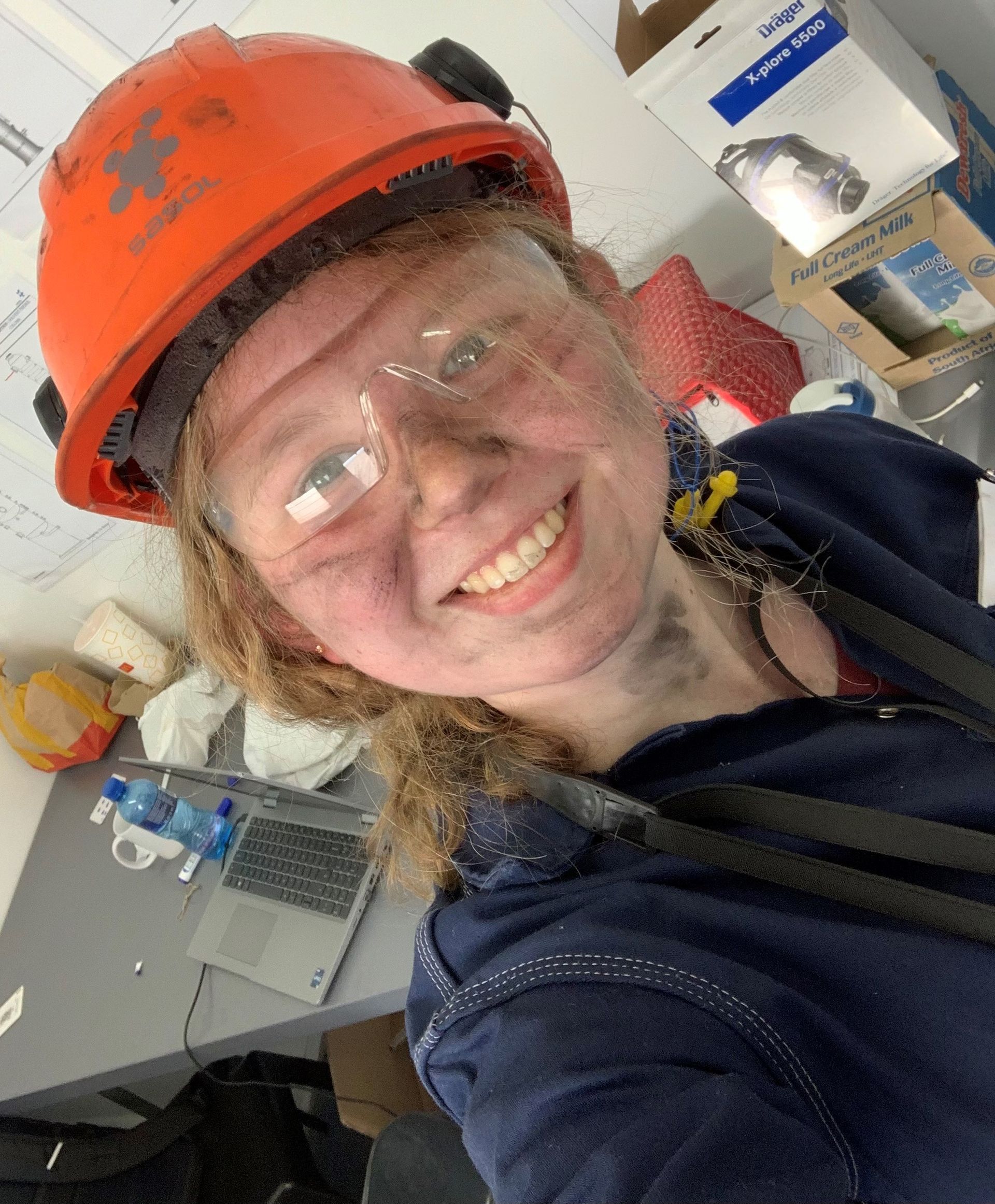
Engineering her own future: Trinityhouse Alumni Anya Rabbets thrives in stem

Matric Year: 2019

School: Trinityhouse Randpark Ridge


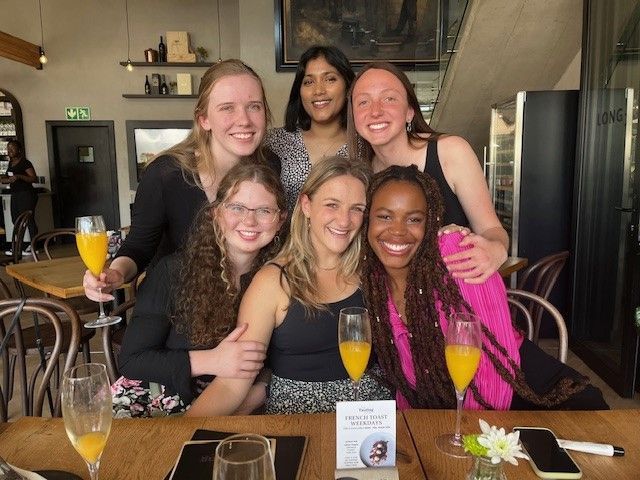
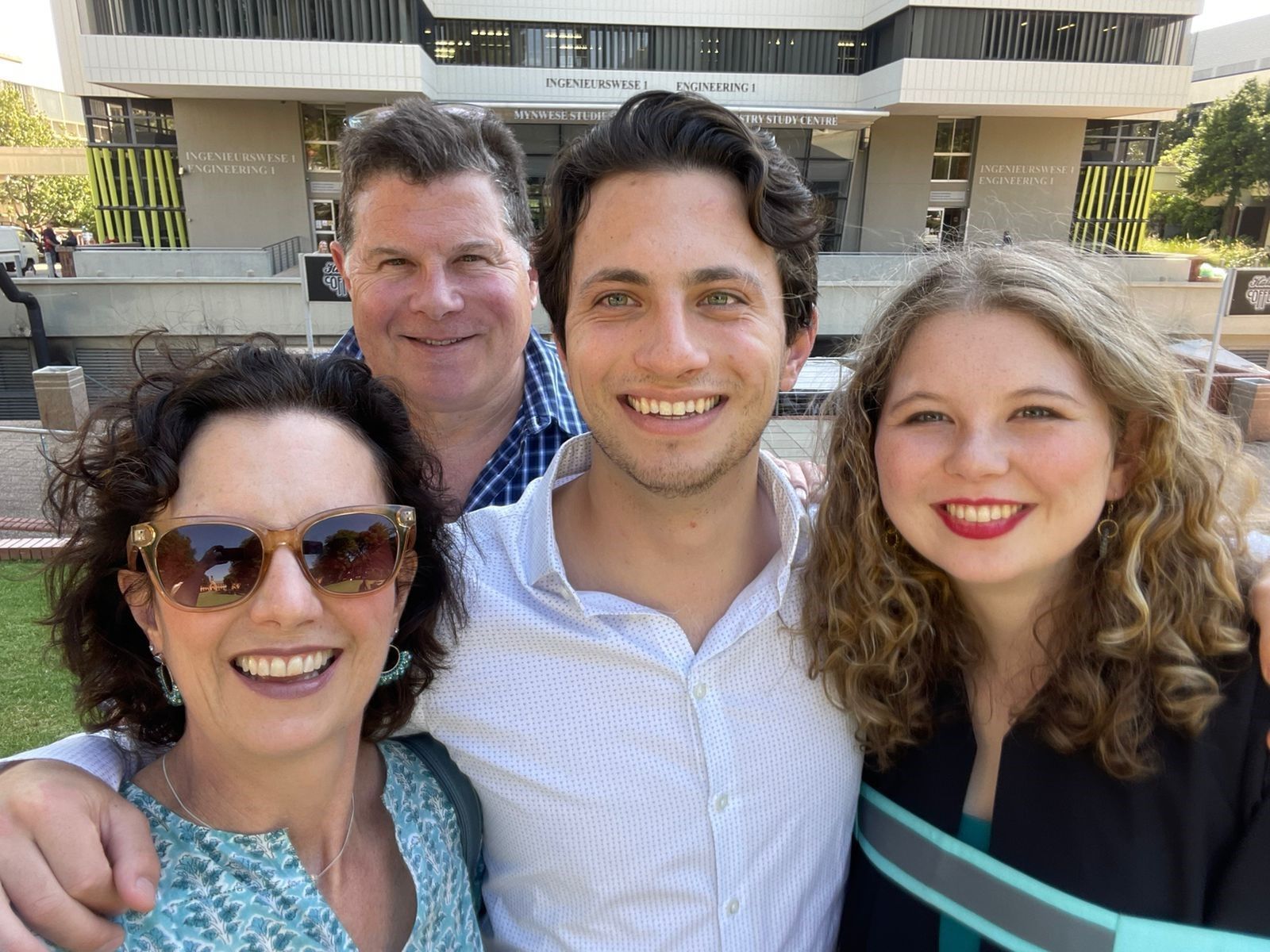
A love of science often begins in the classroom. A successful career emerges when curiosity meets determination. Trinityhouse Alumna Anya Rabbets, Class of 2019, discovered her calling early. Today she works as a Chemical Engineer in Secunda, proving that passion, discipline, resilience open doors into industries once viewed as inaccessible to many young women. Her journey offers inspiration to current learners considering futures in science, technology, engineering, mathematics.


What first sparked your interest in science, engineering during school?
I have loved science since primary school. By Grade 4, I already knew I wanted a STEM career. Science helped me understand how the world works. Interest in engineering developed later. In Grade 11, visits to Chemical Engineering laboratories at Wits University plus UP introduced me to engineering thinking. Conversations alongside postgraduate students revealed exciting problem-solving opportunities.
 

What gave you confidence to enter a challenging, male-dominated field?
I trusted my academic ability. Female role models in industry showed success was possible. Passion outweighed insecurity about entering a male-dominated environment.
 

What does your role as a Chemical Engineer involve today?
I work at Sasol where daily responsibilities include troubleshooting, solving technical challenges, optimising processes. Chemical engineering remains versatile across petrochemical, pharmaceutical, water treatment sectors, even finance. Each day offers new lessons plus fresh applications of university knowledge alongside workplace experience.
 

A career moment that made you proud?
During my first working year, I joined a major investigation after equipment failures destabilised a production unit. Understanding core system principles allowed me to contribute meaningfully towards identifying root causes.
 

Why celebrate International Day of Women, Girls in Science?
Historically, women were excluded from STEM due to unfair perceptions. This day recognises achievements of female scientists, engineers, mathematicians while encouraging young girls to pursue scientific ambitions confidently.
 

How can schools encourage more girls into STEM?
Industry exposure matters. Many learners misunderstand engineering careers. Guest speakers from industry help learners choose informed study paths.
 

Your message to girls unsure about science, engineering?
If you enjoy mathematics, physical science, life science, explore STEM options. Engineering degrees challenge students yet bring immense reward. Ignore negative opinions. Passion should guide decisions. University departments gladly offer insight when learners seek advice.
 

Have you experienced being one of few women in technical spaces?
Yes, though negative experiences have been limited. I remind myself that my education equals colleagues around me. Confidence grows through experience plus mentorship support when difficult situations arise.
 

How did Trinityhouse prepare you professionally?
Trinityhouse shaped my work ethic plus approach towards responsibility. Dedicated teachers supported my journey throughout schooling.
 

Which school skills still assist you today?
Critical thinking skills help me analyse problems logically. Debating, public speaking experiences-built confidence when presenting ideas to senior management.
 

What do you enjoy outside engineering?
Reading, travelling, spending time alongside friends plus family bring balance.
 

How do you switch off after demanding workdays?
Books allow mental escape. Textile arts such as cross stitch provide creative relaxation.
 

How do you maintain life balance?
Work boundaries matter. Weekends plus evenings remain personal time unless emergencies occur. Relationships require deliberate effort once university life ends.
 

Who supported your journey most?
Family support never wavered. Friends met during studies remain equally important since engineering succeeds through teamwork.
 

How did family shape your ambitions?
Family recognised where passion met talent. Support included bursary applications that enabled university studies. Career success would not exist without them.
 

Any surprising passions?
I love mythology plus folklore, especially Greek, Roman stories. Collecting myths from various cultures remains a favourite pastime.
 

What scientific developments inspire you currently?
Sustainable engineering excites me, especially renewable energy, waste valorisation, circular economy solutions.
 

Where do you see your career heading?
My aim involves strengthening technical expertise. Long-term goals include transitioning into renewable energy industries.
 

Advice to future Trinitonians?
Challenge yourself constantly. Growth begins outside comfort zones.
 

QUICK FIRE 
Favourite subject? Chemistry
Coffee or tea? Both
Night owl or early riser? Night owl forced into early mornings 😂
Lab or office work? Lab work
Lab coat or hard hat? Hard hat
Favourite holiday destination? Sedgefield
Engineering in one word? Challenging
Favourite way to relax? Reading alongside tea
Favourite movie or series? The Princess Bride
Favourite song? Annie’s Song – John Denver
Three essentials? Family, dogs, Kindle
Life quote? “Everything will be okay in the end. If it’s not okay, it’s not the end.” – John Lennon


Anya Rabbets represents a new generation of engineers shaping South Africa’s future through knowledge, resilience, curiosity. Her journey highlights how early encouragement, strong schooling foundations, supportive communities enable young women to step confidently into STEM careers. Her message remains simple yet powerful: passion unlocks possibility.

February 12, 2026
Celebrating International Day of Women and Girls in Science – 11 February 
February 2, 2026
Hannah Coppin: Styling life one mannequin at a time
January 19, 2026
Hannah Ainsley’s unstoppable journey
January 5, 2026
Mind Over Matter: How Trinityhouse Alumna Lauren Crossman Is Shaping Futures
December 8, 2025
Saiyuri Rampathi – finding her voice, inspiring the next generation
November 24, 2025
Alumnus Spotlight: Bradley Jacobs  Matric Year: 2018 School: Trinityhouse Randpark Ridge
By Laura Barrett October 10, 2025
By Laura Barrett, Intern Counselling Psychologist at Trinityhouse Glenvista Each year on 10 October , the world pauses to recognise World Mental Health Day, a reminder that mental well-being is not just an individual concern, but a shared responsibility among families, schools, and communities. As an Educational Psychologist working closely with children and families, I have seen first-hand how early conversations about mental health can change the course of a young person’s life. When emotional well-being is acknowledged and nurtured from a young age, children are better equipped to handle life’s challenges with confidence and resilience. Why conversations about mental health matter? Mental health is not a “grown-up” topic, it’s a human one. If children are not taught about emotions and coping mechanisms early on, they may grow into adults who struggle to manage stress, relationships, or change. Talking openly about feelings, naming emotions, and learning healthy coping strategies are all part of developing emotional literacy. These are the tools that help children and adults stay grounded through the ups and downs of life. At Trinityhouse, together with the world earlier this year, we explored the WRAP framework: Wellness, Resilience, Action and Purpose, a simple yet powerful approach to supporting children’s mental well-being. Each pillar plays a role in creating emotional stability and balance, not only for children but also for the families guiding them. Wellness begins with the basics. Adequate sleep, good nutrition, hydration, and rest may sound simple, but they lay the foundation for emotional regulation. A well-rested, nourished child is far more likely to cope effectively with daily stressors. Being mindful of mental health also involves small, practical steps like taking a few deep breaths before a stressful test or stretching during homework breaks. For adults, this might mean pausing for a cup of tea, taking a short walk, or simply naming what you’re feeling in the moment. Labelling emotions (“I feel anxious about this meeting”) helps calm the mind and re-engage rational thinking. Resilience isn’t about “always being strong.” It’s about learning to recover and grow after setbacks. Parents and teachers can nurture resilience by giving children space to express their struggles without judgement, then helping them explore possible solutions. When a child faces disappointment, a poor test result or a conflict with a friend, remind them of times they’ve overcome challenges before. Ask: “What helped you last time?” This reflective process empowers children to see themselves as capable problem-solvers, rather than passive victims of circumstance. Positive mental health requires active engagement, not just awareness. For families, this can mean creating calm, structured environments where children feel safe and heard. The Positive Parenting framework offers five helpful practices to support this: Empathy : Validate your child’s emotions instead of dismissing them. “I can see you’re upset about your toy” goes further than “Don’t cry, it’s not a big deal.” Positive Reinforcement : Celebrate effort and progress, no matter how small. A star chart or extra family time can be simple yet powerful motivators. Consistent Boundaries : Predictable routines and clear consequences make children feel secure. Boundaries should be calm, firm, and fair. Open Communication : Create family moments for honest sharing. Ask, “What was the best part of your day?” and really listen to the answer. Co-regulation : Young children often mirror their parents’ emotions. When you model calmness through deep breathing or gentle reassurance you teach them to regulate their own feelings. A sense of purpose is vital for both adults and children. It gives meaning to our actions and connects us to something larger than ourselves. Encourage children to explore hobbies and interests that bring them joy and fulfilment, whether it’s art, sport, volunteering, or spending time outdoors. These pursuits help build identity, confidence, and belonging. For parents, purpose can come from nurturing both their children’s and their own mental health. The saying “You cannot pour from an empty cup” is particularly true here. When parents take care of themselves, physically, mentally, and emotionally, they model balance and self-respect for their children. Recognising when a child is struggling Even with the best support, children can experience emotional challenges. Warning signs may include withdrawal from friends, sudden changes in sleep or appetite, irritability, or declining motivation. These can indicate stress, anxiety, or burnout. If you notice these signs, open a gentle conversation: “I’ve noticed you haven’t seemed yourself lately. Would you like to talk about it?” Sometimes, simply being heard is the first step toward healing. Continuing the conversation The most inspiring shift in recent years is how openly young people now speak about mental health. Many no longer see anxiety, sadness, or stress as weaknesses but as part of the human experience. This honesty offers hope for a more empathetic, emotionally literate generation. On this World Mental Health Day , let’s extend that conversation beyond schools and into our homes. Let’s practise a WRAP culture together by building Wellness, Resilience, Action and Purpose not only in our children’s lives but in our own. At Trinityhouse , we believe education extends beyond academics, it’s about nurturing the heart and mind. By fostering open dialogue, emotional awareness, and resilience, we aim to create an environment where every child feels seen, supported, and empowered to thrive. When families make mental health a daily priority, we don’t just raise stronger children, we raise a kinder, calmer and more connected generation.
Studentsi
September 10, 2025
One of the most significant academic decisions your child will make in their school career is which subjects to select. For many South African families, it can feel like a daunting task filled with pressure, uncertainty, and long-term consequences. But with the right support, tools, and guidance, parents can help their children make well-informed decisions that set them up for future success, both academically and professionally. The foundation of good subject choices lies in understanding your child’s academic ability and current performance. Subjects like Mathematics, Physical Sciences, and Accounting require solid results in Grade 9 and a strong grasp of key concepts. Similarly, subjects like Engineering Graphics & Design (EGD) or Visual Arts cater to students with practical and creative aptitudes. Consider your child’s learning style: do they prefer theory, or do they thrive with hands-on learning? Although, it is normal to want what’s best for your child’s future, you should not force them to live up to your ideal of success. Rather initiate conversations about possible careers or areas of interest and explore how different subjects align with those pathways. Platforms like YENZA Careers are incredibly helpful in this regard. YENZA uses psychometric assessments to offer realistic subject recommendations based on your child’s strengths, interests, and potential career matches, and it gives parents access to the results too. “Choosing the right subjects is a balance of academic ability, interest, and long-term thinking,” says Sumari Purdon , Head of Academics for Trinityhouse Schools. “We encourage families to use this opportunity to start meaningful conversations about the future, with support from tools like YENZA and input from educators who know the student well.”
January 13, 2025
Celebrating Academic and Educational Excellence
A woman in a yellow shirt is holding a red book and a laptop.
January 19, 2023
Explore your options after completing Grade 12 with our insightful guide on Life after Matric. Discover universities, vocational training, gap years, and career advice to navigate your post-matric journey successfully.