Alumni Spotlight: Lauren Crossman

January 5, 2026

Mind Over Matter: How Trinityhouse Alumna Lauren Crossman Is Shaping Futures

Trinityhouse Randpark Ridge

Year: 2011


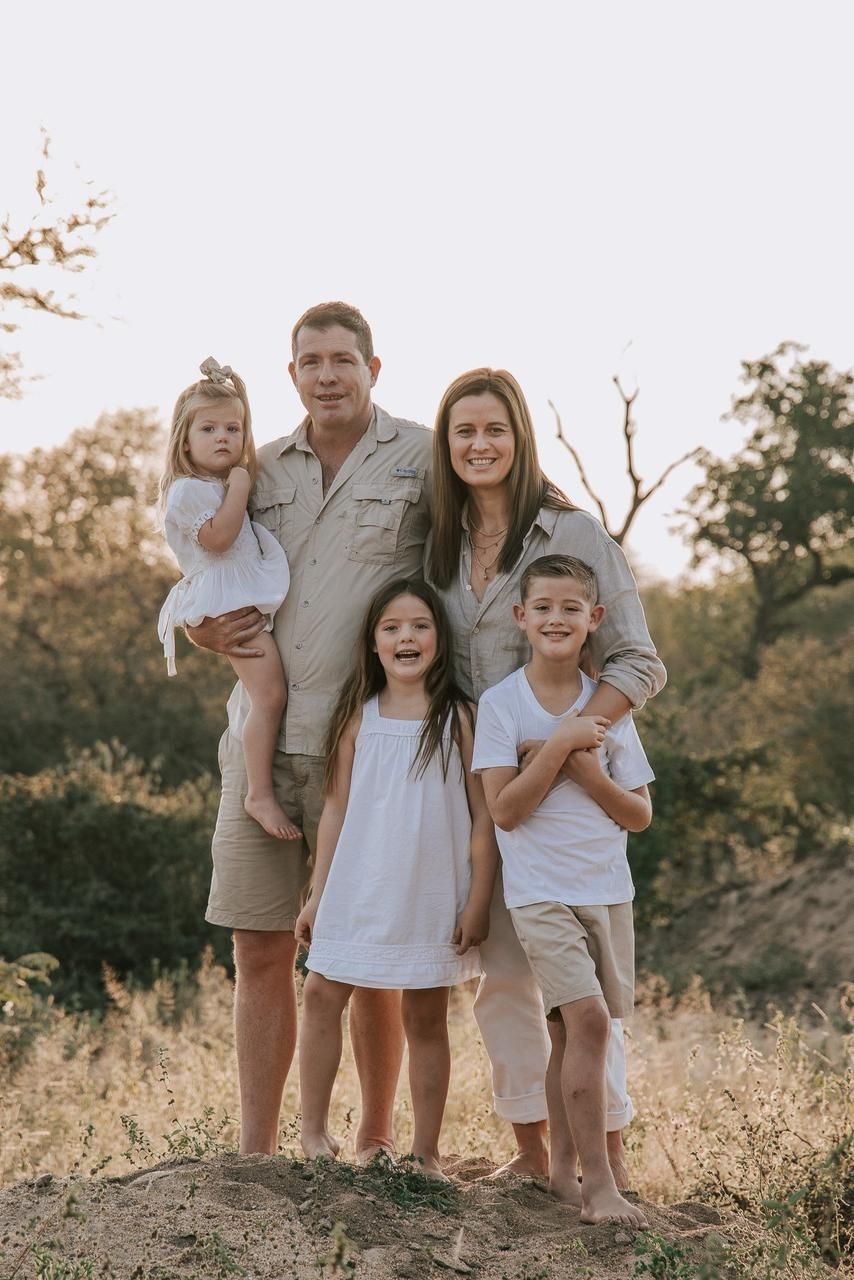
Education is more than textbooks and classrooms; it is also about unlocking potential, nurturing resilience, and guiding young people towards becoming their best selves. Few understand this better than Lauren Crossman (née Jordaan), who matriculated at Trinityhouse Randpark Ridge in 2011. Today, she is an educational psychologist making a real difference in the lives of children and families. Her journey blends academic achievement, professional purpose, and a deep personal connection to Trinityhouse, a connection set to continue when her own children join the school in the years ahead.


You matriculated at Trinityhouse Randpark Ridge in 2011. Looking back, how did Trinityhouse shape your love for psychology and working with children?
  I had always wanted to be a psychologist, even as a child. I loved helping others and was often involved in outreaches, youth groups and children’s homes. Trinityhouse really encouraged that community spirit and combining this with my passion for working with children and adolescents made educational psychology a natural fit.
 

You’ve built a career as an educational psychologist. What does a typical day in your practice look like?
  My mornings are usually admin-filled, but after 1pm my afternoons belong to my clients. If I’m assessing, I start at 9am with three hours of assessment, then break for lunch before therapy sessions. Sometimes I travel to assist at another practice too, no two days look exactly the same.
 

You completed your master’s in educational psychology at the University of Pretoria in 2019. How did that journey shape you?
  I loved it! The programme was incredibly relevant and practical, equipping me for the real world of practice. I also gained amazing colleagues who are still a huge part of my professional support system today.
 

What’s the most rewarding part of your work with children and families?
  The privilege lies in witnessing families find the clarity they need, together with a supportive process that helps them move forward.

Educational psychology bridges learning and emotional wellbeing. How do you help learners unlock their potential?
  My biggest focus is helping learners realise they are not defined by what they’re going through. I guide them in finding the internal or external resources they already have – and show them how to use those tools to thrive.
 

Is there a misconception about educational psychology you’d love to clear up?
  For a long time, people thought we only dealt with academic cases and weren’t equipped for serious emotional challenges. Thankfully, that narrative has shifted – our work is so much broader.
 

You’re now returning to Trinityhouse as a parent, with your toddler starting at RPR in 2028! How does that feel?
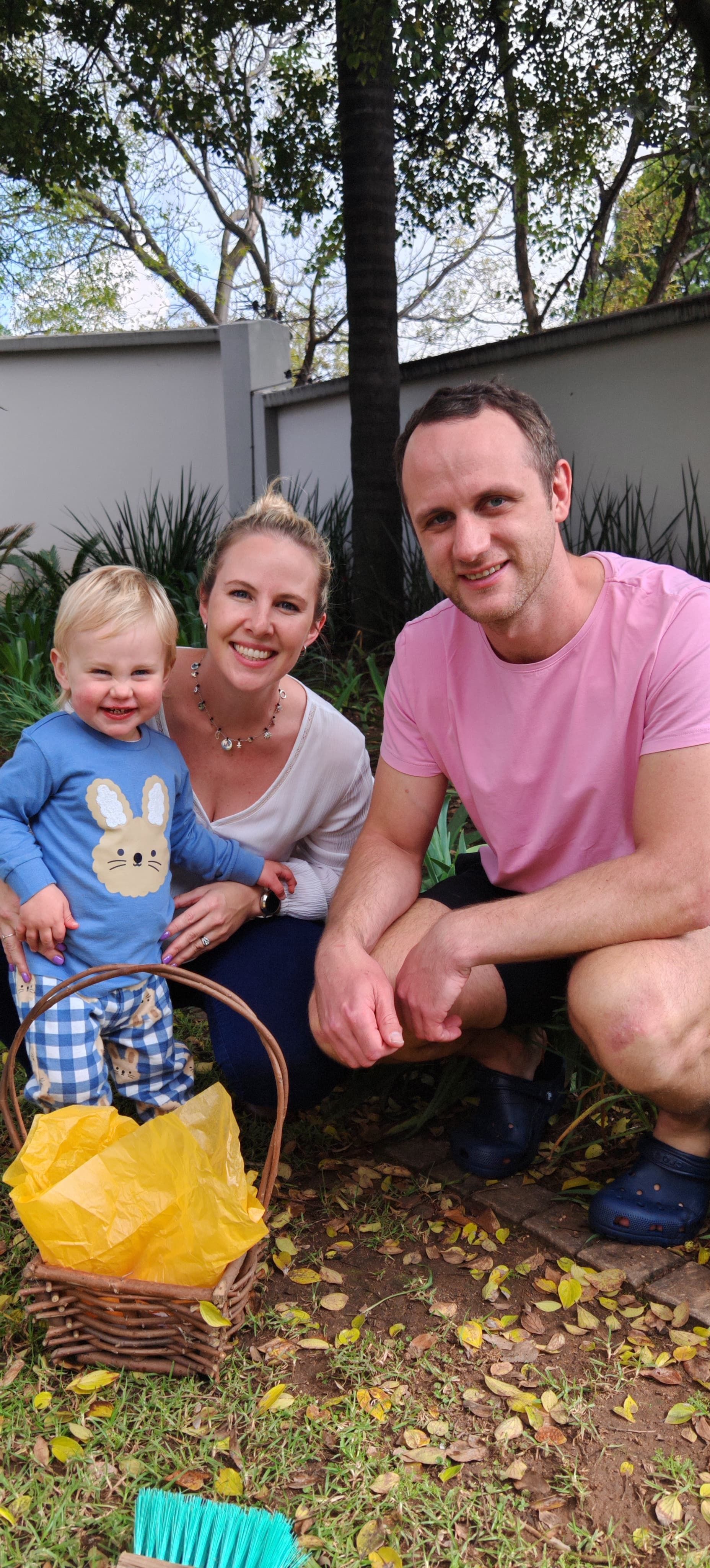
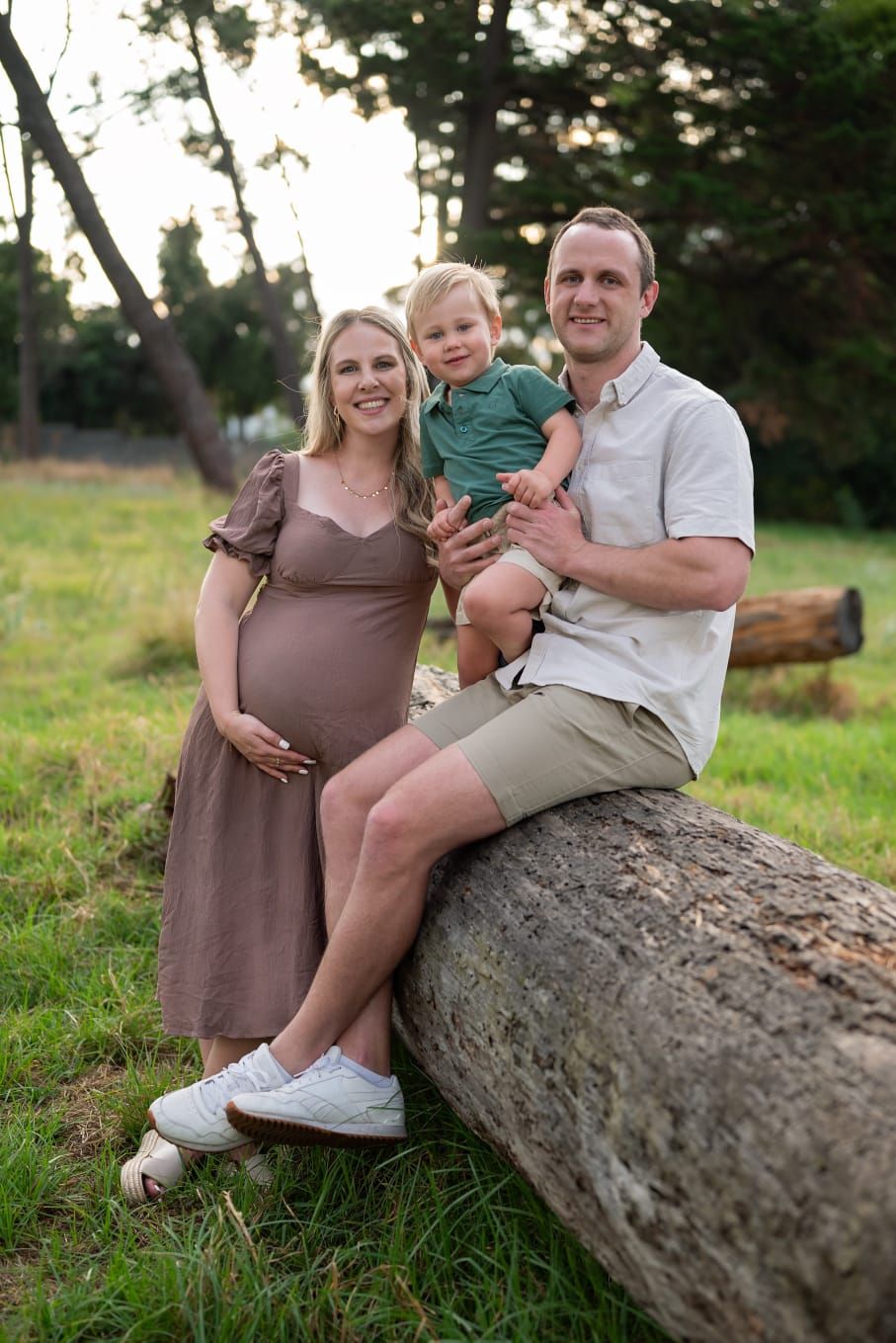
  Surreal! I’ve always felt connected to Trinityhouse, through my work with Trinity families and even completing my Honours practicum there. It’s exciting to see how my son (and soon my second child!) will experience the opportunities I once had.
 

What excites you most about your boys stepping into the Trinityhouse world?
  What excites me most is knowing that my boys will step into an environment filled with choice, opportunity and diversity. Trinityhouse has always been a place where children are encouraged to explore, grow, and discover who they are, whether it’s through academics, sport, culture, or leadership. I can’t wait to see them embrace all of these experiences, find their passions, and create their own memories within the same community that shaped me. It feels incredibly special to know they will have the chance to carve out their own Trinityhouse journey while continuing the legacy.
 

What advice would you give the next generation of Trinitonians?
  Be grateful for the education and opportunities you have. The world may be changing, but a solid education is still the best foundation to lean on.
 

Quick-Fire! Let’s Go!
Tea or Coffee?
Coffee
Early bird or night owl? Neither!
Psychology in one word? Resilience
Dream holiday with family? Italy
Comfort food? Sushi
Favourite song? Too many to choose!
Toddler chaos or toddler cuddles – which wins? Always the cuddles
Terrible twos and terrifying threes: fact or fiction? FACT!


Lauren Crossman embodies what it means to be a Trinitonian for life. Her career in educational psychology is not only about guiding children through challenges but also about empowering families with hope and solutions. Her story highlights how the Trinityhouse foundation continues to influence lives long after matriculation. The legacy now continues as she prepares to see her own children begin their journey within the same school community that shaped her.
December 8, 2025
Saiyuri Rampathi – finding her voice, inspiring the next generation
November 24, 2025
Alumnus Spotlight: Bradley Jacobs  Matric Year: 2018 School: Trinityhouse Randpark Ridge
By Laura Barrett October 10, 2025
By Laura Barrett, Intern Counselling Psychologist at Trinityhouse Glenvista Each year on 10 October , the world pauses to recognise World Mental Health Day, a reminder that mental well-being is not just an individual concern, but a shared responsibility among families, schools, and communities. As an Educational Psychologist working closely with children and families, I have seen first-hand how early conversations about mental health can change the course of a young person’s life. When emotional well-being is acknowledged and nurtured from a young age, children are better equipped to handle life’s challenges with confidence and resilience. Why conversations about mental health matter? Mental health is not a “grown-up” topic, it’s a human one. If children are not taught about emotions and coping mechanisms early on, they may grow into adults who struggle to manage stress, relationships, or change. Talking openly about feelings, naming emotions, and learning healthy coping strategies are all part of developing emotional literacy. These are the tools that help children and adults stay grounded through the ups and downs of life. At Trinityhouse, together with the world earlier this year, we explored the WRAP framework: Wellness, Resilience, Action and Purpose, a simple yet powerful approach to supporting children’s mental well-being. Each pillar plays a role in creating emotional stability and balance, not only for children but also for the families guiding them. Wellness begins with the basics. Adequate sleep, good nutrition, hydration, and rest may sound simple, but they lay the foundation for emotional regulation. A well-rested, nourished child is far more likely to cope effectively with daily stressors. Being mindful of mental health also involves small, practical steps like taking a few deep breaths before a stressful test or stretching during homework breaks. For adults, this might mean pausing for a cup of tea, taking a short walk, or simply naming what you’re feeling in the moment. Labelling emotions (“I feel anxious about this meeting”) helps calm the mind and re-engage rational thinking. Resilience isn’t about “always being strong.” It’s about learning to recover and grow after setbacks. Parents and teachers can nurture resilience by giving children space to express their struggles without judgement, then helping them explore possible solutions. When a child faces disappointment, a poor test result or a conflict with a friend, remind them of times they’ve overcome challenges before. Ask: “What helped you last time?” This reflective process empowers children to see themselves as capable problem-solvers, rather than passive victims of circumstance. Positive mental health requires active engagement, not just awareness. For families, this can mean creating calm, structured environments where children feel safe and heard. The Positive Parenting framework offers five helpful practices to support this: Empathy : Validate your child’s emotions instead of dismissing them. “I can see you’re upset about your toy” goes further than “Don’t cry, it’s not a big deal.” Positive Reinforcement : Celebrate effort and progress, no matter how small. A star chart or extra family time can be simple yet powerful motivators. Consistent Boundaries : Predictable routines and clear consequences make children feel secure. Boundaries should be calm, firm, and fair. Open Communication : Create family moments for honest sharing. Ask, “What was the best part of your day?” and really listen to the answer. Co-regulation : Young children often mirror their parents’ emotions. When you model calmness through deep breathing or gentle reassurance you teach them to regulate their own feelings. A sense of purpose is vital for both adults and children. It gives meaning to our actions and connects us to something larger than ourselves. Encourage children to explore hobbies and interests that bring them joy and fulfilment, whether it’s art, sport, volunteering, or spending time outdoors. These pursuits help build identity, confidence, and belonging. For parents, purpose can come from nurturing both their children’s and their own mental health. The saying “You cannot pour from an empty cup” is particularly true here. When parents take care of themselves, physically, mentally, and emotionally, they model balance and self-respect for their children. Recognising when a child is struggling Even with the best support, children can experience emotional challenges. Warning signs may include withdrawal from friends, sudden changes in sleep or appetite, irritability, or declining motivation. These can indicate stress, anxiety, or burnout. If you notice these signs, open a gentle conversation: “I’ve noticed you haven’t seemed yourself lately. Would you like to talk about it?” Sometimes, simply being heard is the first step toward healing. Continuing the conversation The most inspiring shift in recent years is how openly young people now speak about mental health. Many no longer see anxiety, sadness, or stress as weaknesses but as part of the human experience. This honesty offers hope for a more empathetic, emotionally literate generation. On this World Mental Health Day , let’s extend that conversation beyond schools and into our homes. Let’s practise a WRAP culture together by building Wellness, Resilience, Action and Purpose not only in our children’s lives but in our own. At Trinityhouse , we believe education extends beyond academics, it’s about nurturing the heart and mind. By fostering open dialogue, emotional awareness, and resilience, we aim to create an environment where every child feels seen, supported, and empowered to thrive. When families make mental health a daily priority, we don’t just raise stronger children, we raise a kinder, calmer and more connected generation.
Studentsi
September 10, 2025
One of the most significant academic decisions your child will make in their school career is which subjects to select. For many South African families, it can feel like a daunting task filled with pressure, uncertainty, and long-term consequences. But with the right support, tools, and guidance, parents can help their children make well-informed decisions that set them up for future success, both academically and professionally. The foundation of good subject choices lies in understanding your child’s academic ability and current performance. Subjects like Mathematics, Physical Sciences, and Accounting require solid results in Grade 9 and a strong grasp of key concepts. Similarly, subjects like Engineering Graphics & Design (EGD) or Visual Arts cater to students with practical and creative aptitudes. Consider your child’s learning style: do they prefer theory, or do they thrive with hands-on learning? Although, it is normal to want what’s best for your child’s future, you should not force them to live up to your ideal of success. Rather initiate conversations about possible careers or areas of interest and explore how different subjects align with those pathways. Platforms like YENZA Careers are incredibly helpful in this regard. YENZA uses psychometric assessments to offer realistic subject recommendations based on your child’s strengths, interests, and potential career matches, and it gives parents access to the results too. “Choosing the right subjects is a balance of academic ability, interest, and long-term thinking,” says Sumari Purdon , Head of Academics for Trinityhouse Schools. “We encourage families to use this opportunity to start meaningful conversations about the future, with support from tools like YENZA and input from educators who know the student well.”
January 13, 2025
Celebrating Academic and Educational Excellence
A woman in a yellow shirt is holding a red book and a laptop.
January 19, 2023
Explore your options after completing Grade 12 with our insightful guide on Life after Matric. Discover universities, vocational training, gap years, and career advice to navigate your post-matric journey successfully.
A woman is sitting at a desk with her head in her hands in front of a laptop computer.
January 6, 2023
Waiting for your Grade 12 results can be a stressful time, but don’t let the pressure get to you.
School stationary
August 29, 2022
Maths Literacy is not Standard Grade maths, it actually has a practical offering. Here’s what you need to know.
Young girl child holding a baby bird in her hands
August 10, 2022
Here’s why you should cultivate kindness in your children (and family members) through good deeds and acts of kindness.
A family happily sitting on the couch reading a book together
July 6, 2022
Besides understanding one another & deepening the bond of trust between child & parent, here are some other benefits to starting conversations with your family.