A sisterhood in science at Trinityhouse
Celebrating International Day of Women and Girls in Science – 11 February
South Africa’s future economy will be shaped by innovation, technology and scientific advancement, yet many girls still grow up questioning whether science and technology careers are really meant for them. International Day of Women and Girls in Science on 11 February highlights an urgent reality: closing the gender gap in STEM is no longer optional if the country hopes to compete in a rapidly evolving global economy.
Science shapes industries, infrastructure and solutions to national challenges, from renewable energy and healthcare innovation to space science and digital technology. Young women must see themselves as future contributors in these fields, not spectators.
Across Trinityhouse schools, the conversation has moved beyond simply teaching science to fundamentally redefining what a STEM classroom should look like in modern South Africa. Success is measured not only through marks, but through confidence, curiosity and the belief that science belongs to everyone.
At Trinityhouse Randpark Ridge, Science teacher Shelden Millett-Clay sees daily how classroom culture determines whether girls stay in STEM subjects or quietly opt out.
“Students need to feel they belong before they believe they can succeed,” she explains. “Confidence grows when girls are encouraged to ask questions, lead experiments and tackle complex challenges alongside their peers.”
Classroom culture plays a powerful role in shaping subject choices. Spaces that encourage collaboration rather than competition help students feel safe enough to take intellectual risks. Curiosity is rewarded, mistakes become learning opportunities and participation is shared equally, allowing girls to build both competence and confidence.
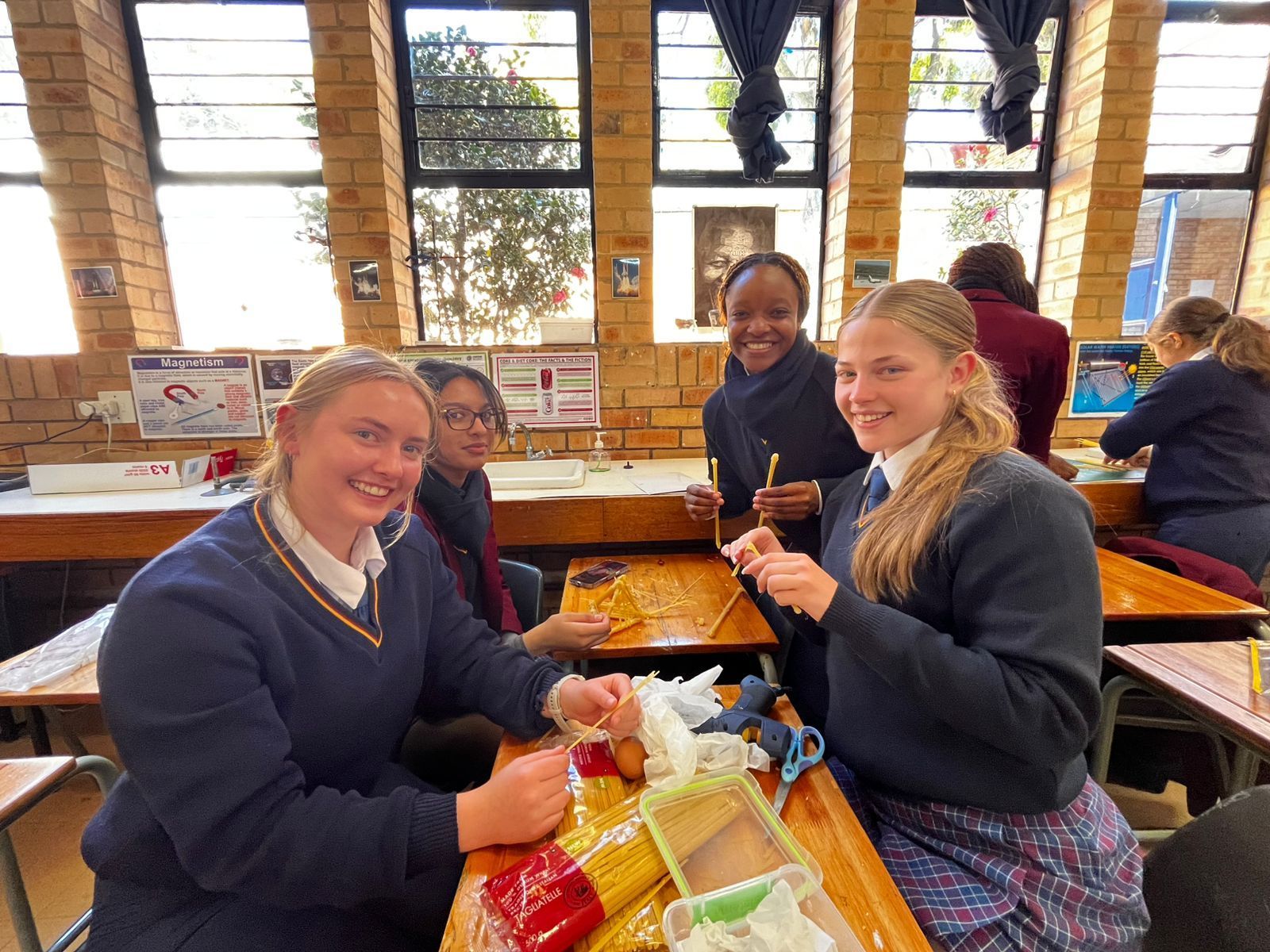
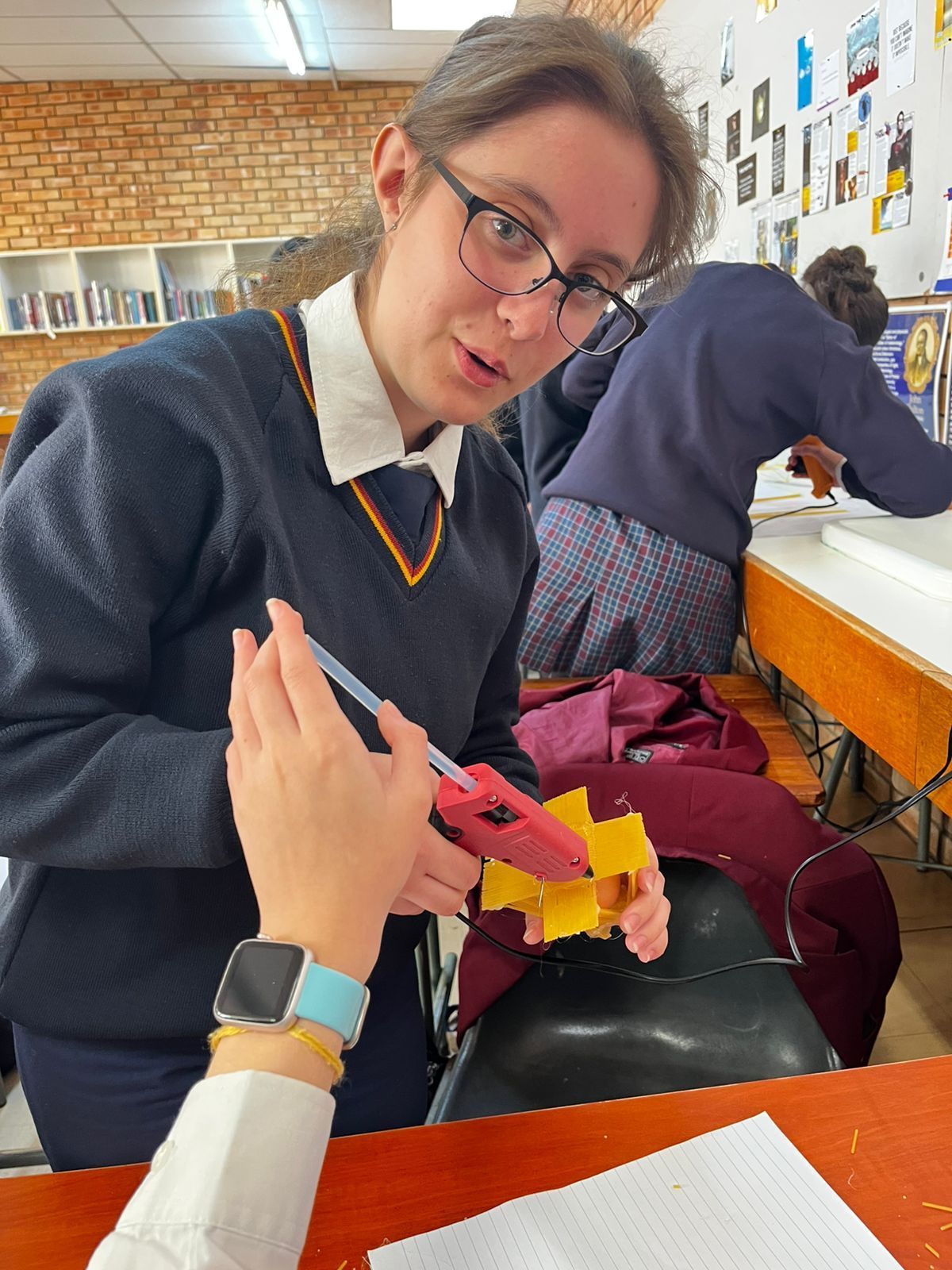
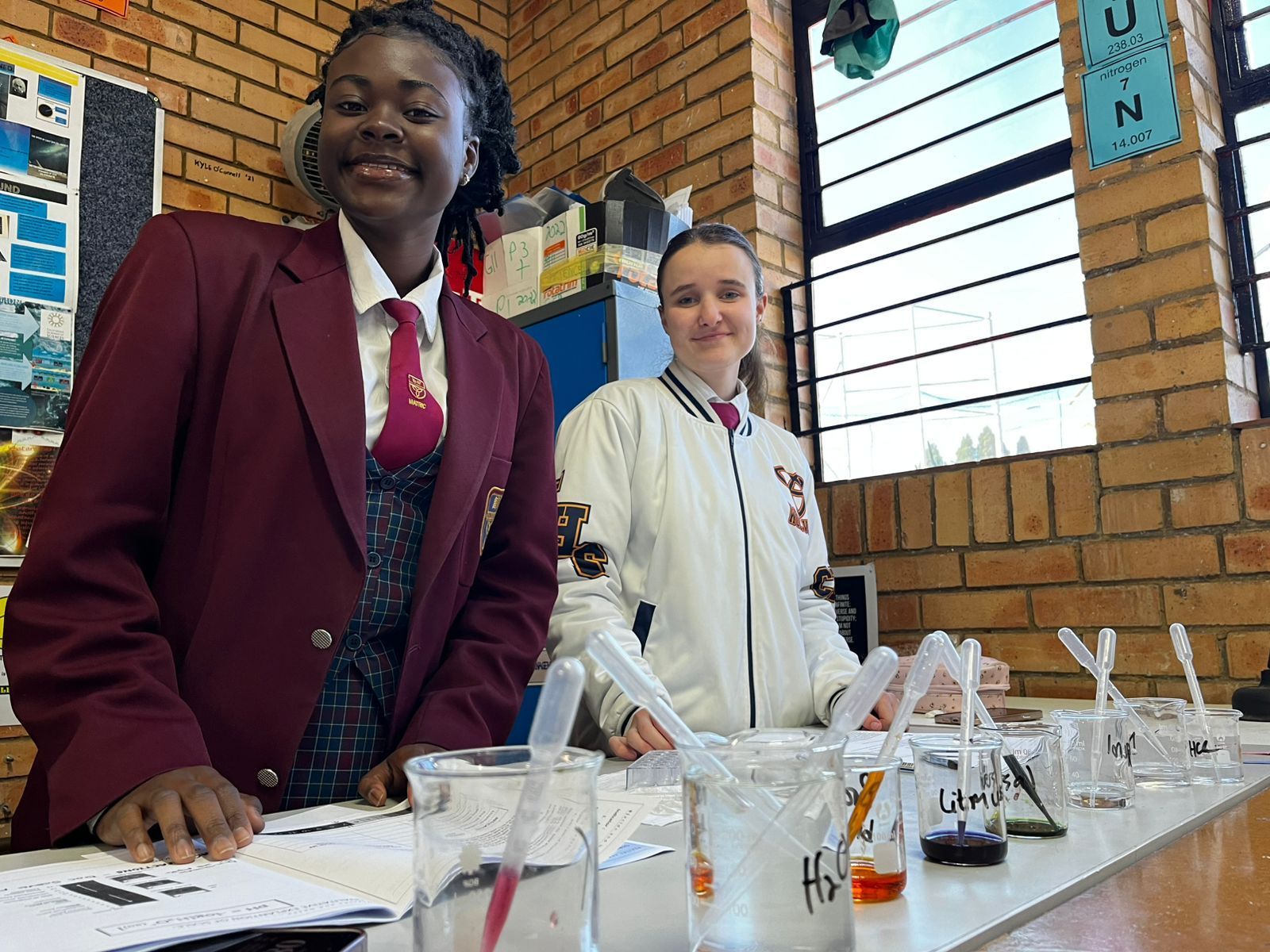
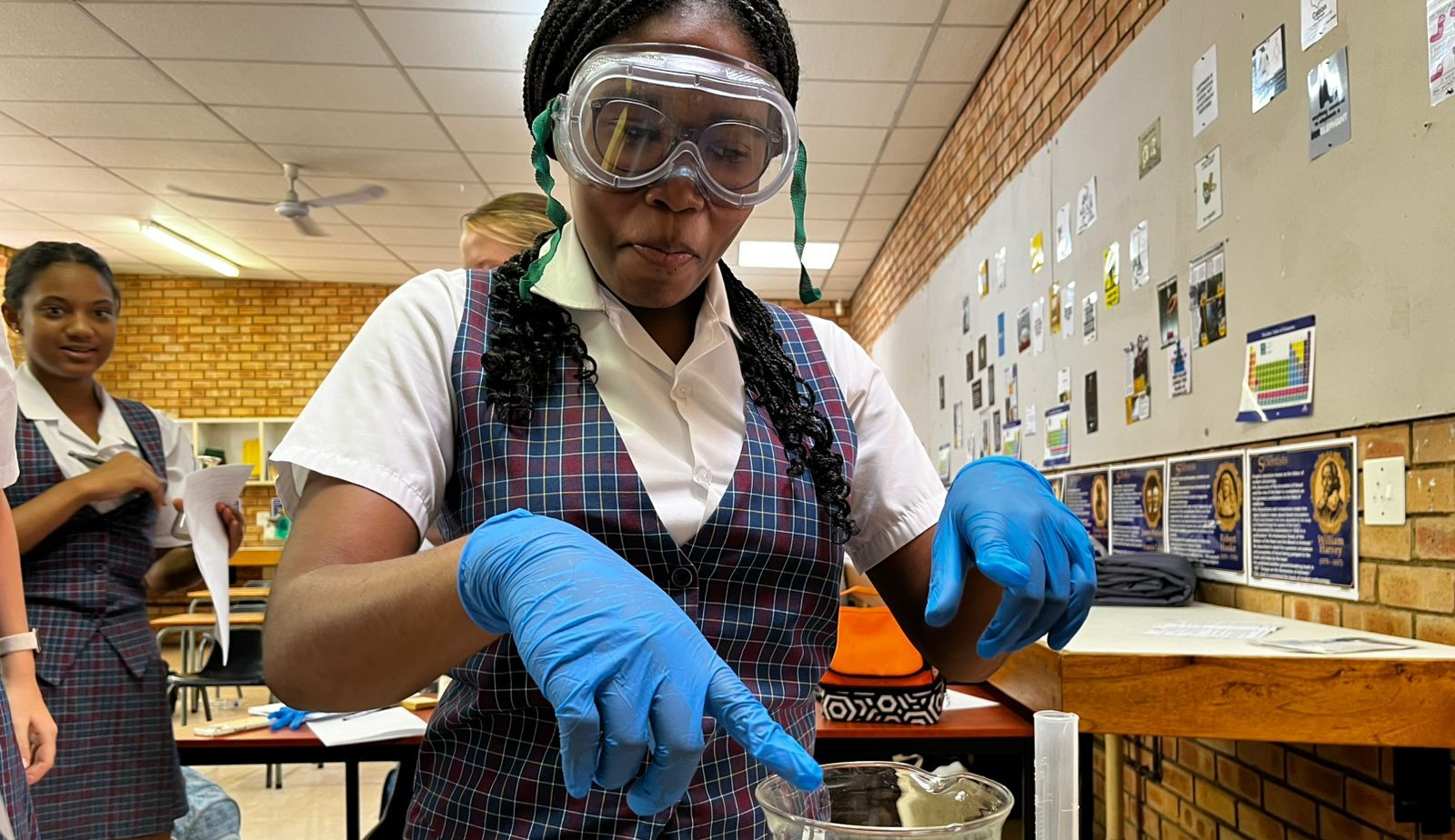
Teaching methods also influence how science is perceived. Trinityhouse classrooms prioritise practical experiments, real-world applications and problem-solving projects. Scientific theory connects to issues students recognise in everyday life, including sustainability, community development and emerging technologies shaping South Africa’s future workforce.
Representation remains equally important. Girls need to see women succeeding in science, engineering and technology careers to believe those paths are possible. Trinityhouse teachers intentionally highlight female scientists and invite former students studying STEM disciplines to share their journeys, helping current students picture themselves following similar routes.
Unconscious bias still shapes subject decisions across many schools and households. Subtle messaging often suggests mathematics and science are exceptionally difficult or better suited to boys, despite clear evidence to the contrary. Trinityhouse teachers actively counter these assumptions by encouraging girls to persevere through difficulties, providing informed subject guidance and ensuring participation opportunities are shared equally in class.
Impact stretches beyond lessons and textbooks. Robotics clubs, coding initiatives, science expos and innovation programmes allow girls to experiment, collaborate and lead outside formal classrooms. Interest levels at Trinityhouse Randpark Ridge reflect changing attitudes. Two thirds of students registering for the Pathways to Space programme this year are girls, signalling growing confidence in entering Africa’s expanding space and technology sectors.
Families and communities remain vital partners in this shift. Encouraging curiosity at home and celebrating scientific achievements reinforce the message that STEM careers are both achievable and exciting options.
Closing the gender gap in STEM is about more than fairness. Diverse perspectives drive better innovation, create more inclusive solutions and strengthen economic competitiveness. South Africa needs every capable mind contributing to future technologies, scientific breakthroughs and problem-solving industries.
International Day of Women and Girls in Science therefore serves as a national call to action. Girls already sitting in classrooms today could become tomorrow’s engineers, data scientists, researchers and innovators shaping the country’s future.
Trinityhouse continues to build environments where girls participate confidently, explore boldly and understand that science is not someone else’s future. Science is theirs.